Lora

How to Start a Private Label Feminine Hygiene Brand: 2026 Strategy

How to Start a Private Label Feminine Hygiene Brand: 2026 Strategy

Launching a private label feminine hygiene brand is not only a branding exercise. It is a product, sourcing, packaging, compliance, and distribution project that needs to be planned in the right order. Many new brands focus heavily on logo design and social media before they have confirmed product structure, supplier capability, packaging requirements, or launch

How to Start a Private Label Feminine Hygiene Brand: 2026 Strategy Read More »
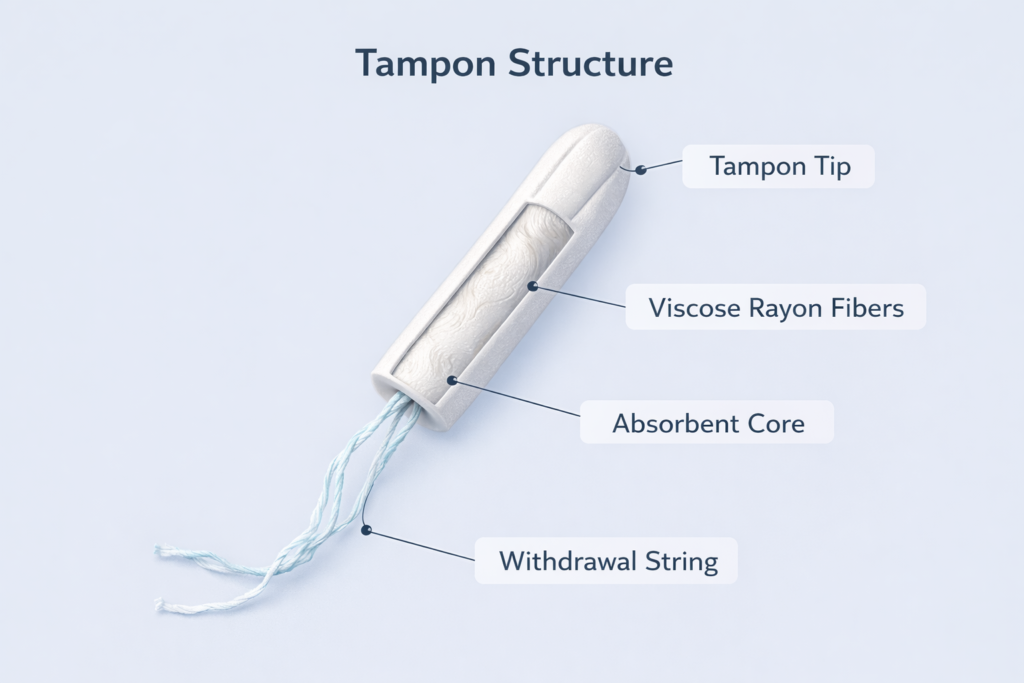
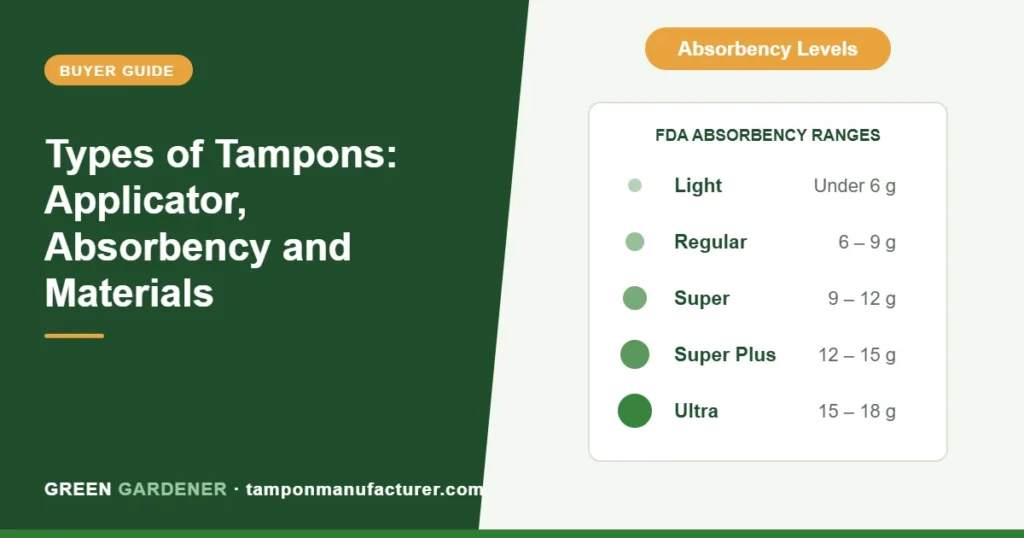
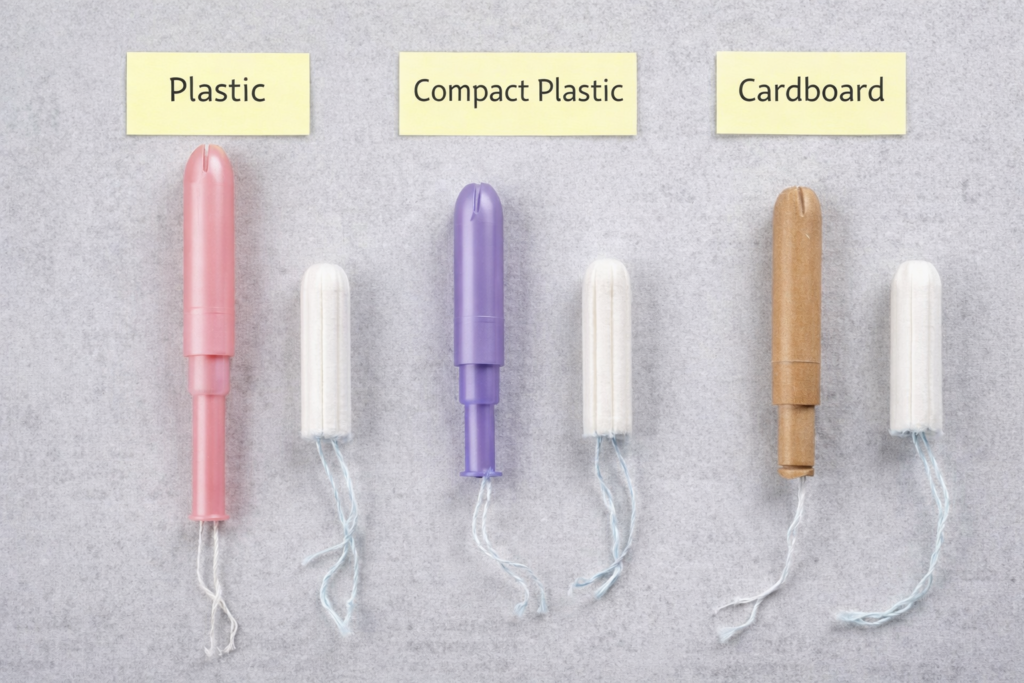
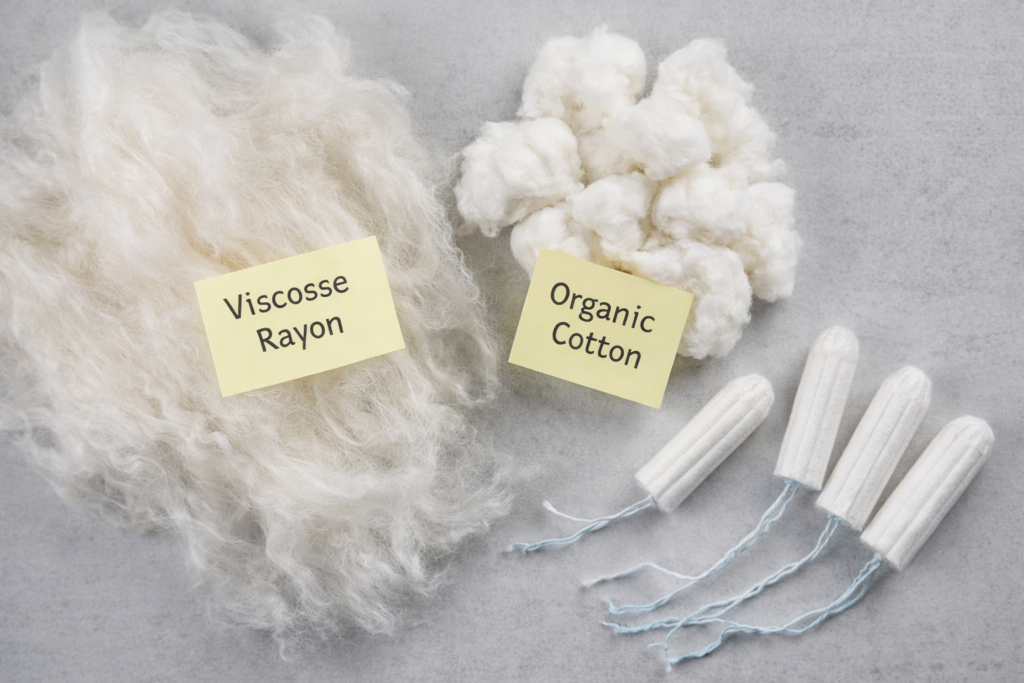
Main Parts of a Tampon A typical tampon consists of several key components that work together to provide effective absorbency and ease of use. The main parts include: Absorbent core Tampon tip Withdrawal string Outer layer Applicator (optional) Each component plays an important role in the overall performance of the product. Absorbent Core The absorbent core is the most important part of a tampon. This component is responsible for absorbing menstrual fluid and preventing leakage. Most tampon cores are made from highly absorbent fibers such as: viscose rayon cotton organic cotton cotton-rayon blends These fibers are compressed during manufacturing to form the cylindrical structure of the tampon. The design of the core determines the tampon’s absorbency level, which may range from regular to super plus. Tampon Tip The tampon tip is the rounded front section of the product. This part is designed to allow smooth insertion and improve comfort during use. Manufacturers shape the tip carefully to ensure that the tampon can be inserted easily without causing discomfort. In applicator tampons, the tip is usually visible at the front of the applicator tube. Withdrawal String Every tampon includes a withdrawal string, which allows the user to remove the tampon safely after use. The string is securely attached to the absorbent core during the manufacturing process. Manufacturers test the strength of the string to ensure it meets safety standards and does not detach during removal. Withdrawal strings are typically made from cotton or synthetic fibers designed to maintain strength even when wet. Outer Layer Some tampons include an outer layer that helps maintain the shape of the tampon and ensures smooth expansion during use. This layer can improve the structural stability of the product and prevent fiber separation. In many designs, the outer layer also helps control how the tampon expands when absorbing fluid. Applicator (Optional) Some tampons include an applicator that helps users insert the tampon more easily. Applicators are typically made from: plastic compact plastic cardboard The applicator holds the tampon during insertion and pushes it into place using a plunger mechanism. Once the tampon is inserted, the applicator is removed and discarded. How Tampon Structure Affects Absorbency The structure of a tampon directly influences how well it absorbs fluid. Manufacturers control absorbency by adjusting: fiber material compression level tampon weight fiber arrangement These factors allow manufacturers to produce different absorbency levels such as: Absorbency Level Typical Weight Regular 6–9 g Super 9–12 g Super Plus 12–15 g This design ensures that tampons can meet different user needs throughout the menstrual cycle. Tampon Design and Manufacturing Professional tampon manufacturers use specialized production lines to assemble each component of the tampon structure. The manufacturing process typically includes: fiber preparation compression and shaping string attachment applicator assembly quality inspection Each step ensures that the final product meets strict hygiene and performance standards. Conclusion Although tampons appear simple, they are carefully engineered products composed of several important components. The absorbent core, tampon tip, withdrawal string, and optional applicator all play essential roles in ensuring safety, comfort, and effective absorbency. Understanding tampon structure helps consumers choose suitable products while also highlighting the advanced manufacturing processes behind modern feminine hygiene products.

Difference Between Applicator and Non-Applicator Tampons

When comparing tampon products, one of the most important distinctions is whether the tampon comes with an applicator. Both applicator and non-applicator tampons serve the same basic purpose, but they differ in insertion method, packaging, cost structure, and consumer preference. For consumers, the difference affects comfort and convenience. For brands, distributors, and private label buyers,

Difference Between Applicator and Non-Applicator Tampons Read More »

Period Underwear vs Pads vs Tampons vs Menstrual Cups: Which Should Your Brand Sell?

Period Underwear vs Pads vs Tampons vs Menstrual Cups: Which Should Your Brand Sell?

By the Editorial Team at Green Gardener – Your Strategic Partner in Feminine Hygiene OEM Manufacturing. The global feminine hygiene landscape is undergoing its most significant transformation in decades. As we move through 2026, the industry is no longer defined by a “one size fits all” approach. Today’s consumers—driven by Gen Z and Millennial values—demand

Period Underwear vs Pads vs Tampons vs Menstrual Cups: Which Should Your Brand Sell? Read More »

How to Start a Period Underwear Brand in 2026: The Ultimate Guide for Entrepreneurs

How to Start a Period Underwear Brand in 2026: The Ultimate Guide for Entrepreneurs

As we move through 2026, the feminine hygiene landscape has fundamentally changed. The era of disposable, single-use, and often chemically treated menstrual products is rapidly being replaced by a more sustainable, health-conscious, and technology-driven future. Period underwear, once a niche product for early adopters, is now a cornerstone of the modern consumer’s wardrobe, offering a

How to Start a Period Underwear Brand in 2026: The Ultimate Guide for Entrepreneurs Read More »

Tampon Fiber

Organic Tampon Market Growth and Future Trends

Introduction The global demand for organic feminine hygiene products has grown rapidly in recent years. Among these products, organic cotton tampons have become increasingly popular as consumers look for more natural and environmentally friendly options. The organic tampon market is expanding due to rising awareness of product ingredients, sustainability concerns, and growing interest in eco-friendly

Organic Tampon Market Growth and Future Trends Read More »

Wholesale Organic Tampon Manufacturer

Are Tampons Medical Devices Under EU MDR? CE Compliance Guide for Buyers

If you plan to sell tampon products in Europe, one of the first questions you may ask is: are tampons medical devices under EU MDR? For buyers, importers, and private label brand owners, this is an important question because it affects how you think about supplier qualification, documentation, packaging review, market readiness, and compliance risk.

Are Tampons Medical Devices Under EU MDR? CE Compliance Guide for Buyers Read More »

Different tampon applicator types including plastic, compact plastic and cardboard applicators

FDA Requirements for Private Label Tampons: Classification, Documentation & Import Basics

If you plan to sell private label tampons in the United States, you need to understand one thing early: FDA compliance is not a detail to solve later. It should be part of your planning from the beginning. Many brand owners focus first on packaging, pricing, and launch timing. But for tampon products, regulatory preparation

FDA Requirements for Private Label Tampons: Classification, Documentation & Import Basics Read More »

Viscose rayon and organic cotton fibres used in tampon core specifications

Private Label Tampons: MOQ, Lead Time, Packaging and Pricing Explained

For brand owners entering the feminine hygiene market, private label tampons are often the fastest and lowest-risk way to launch. Instead of building a factory from scratch, you can work with an experienced manufacturer that already has production capability, quality systems, and export experience. This allows you to focus on brand positioning, packaging, sales channels,

Private Label Tampons: MOQ, Lead Time, Packaging and Pricing Explained Read More »