
PRIVATE-LABEL PANTY LINERS
Panty Liner Manufacturer for Private-Label Brands
Green Gardener, the specialist B2B period-care team behind TamponManufacturer.com, supports panty liner projects for brands, retailers and distributors. We coordinate the intended use profile, dimensions, materials, absorbent system, adhesive, packaging, samples and required documentation around the approved specification.
Specification-led product review
Material & shape planning
Custom wrappers & packs
Project-specific documents
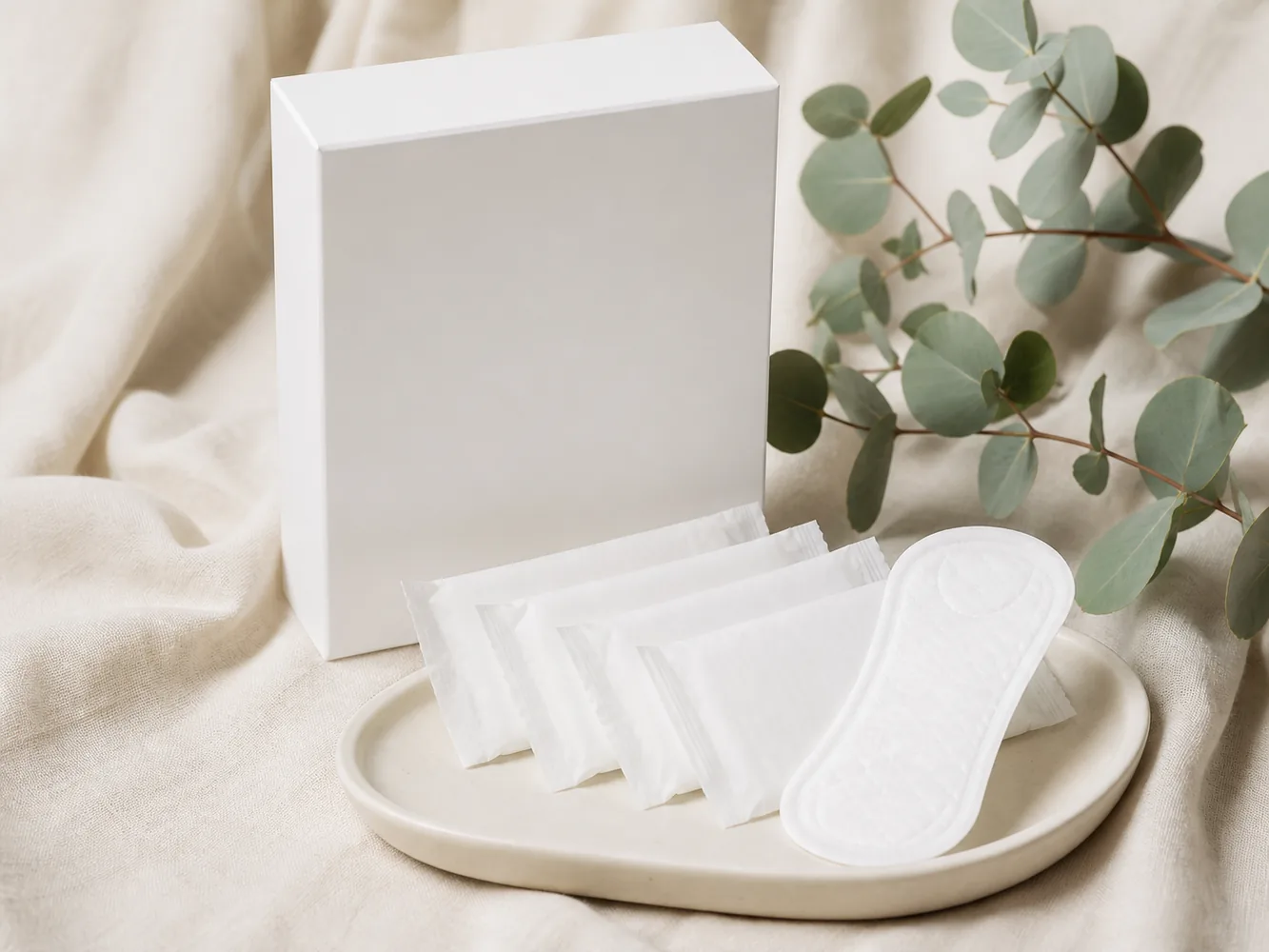
BUYER STARTING POINT
Define the use profile, dimensions, layer structure, packaging and market before requesting commercial terms.
QUICK ANSWER FOR BUYERS
What can a private-label panty liner manufacturer customize?
Green Gardener can evaluate panty liner projects by dimensions, shape, layer construction, absorbency target, adhesive system, release paper, individual wrap and retail pack. Exact materials, performance, MOQ, price, lead time and available documents are confirmed after the target market and complete SKU brief are reviewed.
Product definition
Intended use profile, dimensions, shape, thickness direction and absorption requirement.
Private-label scope
Wrapper, retail pack, pack count, artwork, barcode, languages and carton marks.
Claims control
Material, skin, odor, safety and environmental claims require product-specific evidence.
PRODUCT CONSTRUCTION
Which layers define a panty liner specification?
A panty liner is a multilayer absorbent hygiene product. The buyer should approve the complete layer structure and packaging reference because changes to one component can affect thickness, handling, absorption, placement or claims.
Topsheet
Skin-contact material direction, surface pattern and any color or print requirement.
Acquisition and absorbent layers
Layer configuration, distribution function and requested absorption profile.
Backsheet
Barrier material and any breathability or print requirement subject to evidence.
Adhesive and release paper
Placement area, peel format, release-paper specification and agreed acceptance checks.
Product images are references. The approved sample and written specification control the final SKU.
DESIGN VARIABLES
Which panty liner options should buyers define?
Avoid choosing a product by appearance alone. Each option should be connected to the intended use profile, target market, sample and measurable acceptance criteria.
01
Length & shape
Overall dimensions, contour, edge profile and intended underwear compatibility.
02
Surface direction
Topsheet material, embossing, visual appearance and proposed skin-contact claims.
03
Absorbent system
Layer structure, target absorption, distribution and retention requirements.
04
Backsheet & adhesive
Barrier direction, adhesive zones, release paper and placement criteria.
05
Individual wrap
Wrapped or unwrapped direction, material, print and opening configuration.
06
Retail presentation
Pack count, bag or carton direction, artwork, barcode, languages and case marks.
PRODUCT COMPARISON
How is a panty liner different from a sanitary pad?
A panty liner is generally developed for a lighter absorbency profile than a menstrual pad. Buyers should treat them as separate SKUs with different dimensions, capacity targets, layer structures, packaging and labeling.
| Planning factor | Panty liner direction | Sanitary pad direction |
|---|---|---|
| Product brief | Light-use absorbency profile defined by the buyer | Menstrual-fluid management profile defined by day, night or other pad format |
| Dimensions | Liner length, contour and thickness direction | Pad length, width, wings if applicable and coverage direction |
| Absorbent structure | Layer system designed for the approved liner target | Layer system designed for the approved pad capacity and use profile |
| Packaging | Wrapped or unwrapped unit and liner pack count | Individual wrap, pad pack count and format identification |
| Claims | Evidence must match the exact liner and intended wording | Evidence must match the exact pad and intended wording |
Planning a higher-capacity product? Review the private-label sanitary pad page.
RFQ CHECKLIST
What information is required for a panty liner quotation?
A useful RFQ connects product construction, packaging and commercial inputs. Mark undecided items as open so the relevant sample route can be reviewed.
01
Target market
Country, sales channel and buyer or regulator requirements.
02
Use profile
Intended product positioning and required absorption level.
03
Dimensions & shape
Length, contour, thickness direction and any benchmark sample.
04
Layer materials
Topsheet, acquisition layer, core, backsheet, adhesive and release paper.
05
Packaging brief
Wrap, bag or box, pack count, languages, barcode and artwork status.
06
Commercial inputs
Estimated quantity, sample destination and desired launch schedule.
QUALITY & CLAIM REVIEW
Which panty liner claims require evidence?
Material, skin-contact, absorption, adhesive, odor-control, antibacterial and environmental statements must match the exact product and supporting evidence. Terms such as “cotton,” “organic,” “breathable,” “hypoallergenic,” “non-toxic,” “antibacterial,” “biodegradable” or “plastic-free” are not default claims.
Material identity: verify the composition and named product component.
Performance: define test method, sample reference and acceptance target.
Skin and odor claims: review the exact wording and supporting assessment.
Environmental wording: evaluate the whole product, packaging and disposal context.
Industry reference: EDANA describes pads and liners as multilayer products and publishes component, labeling and menstrual-product testing resources. See the official EDANA pads and liners resource. Environmental claims should also be reviewed against the FTC Green Guides where applicable.

COMMERCIAL PLANNING
What affects panty liner MOQ, price and lead time?
Commercial terms are calculated from the approved construction and pack rather than a universal online price.
| Commercial item | Main variables | How it is confirmed |
|---|---|---|
| MOQ | Dimensions, layers, wrap, retail pack and customization | Confirmed after the complete SKU and packaging brief are reviewed |
| Unit price | Materials, construction, pack configuration, quantity and delivery terms | Quoted for the defined product and quantity |
| Samples | Available reference, customization, destination and courier | Sample option, cost and timing confirmed before dispatch |
| Lead time | Specification approval, artwork, materials and order quantity | Scheduled after the order scope and approvals are complete |
| Supply planning | Forecast, SKU mix, approved materials and repeat-order cadence | Reviewed before repeat production planning |
| Delivery | Destination, shipment size, freight mode and trade terms | Agreed in the project quotation and order documents |
PROJECT WORKFLOW
How does a private-label panty liner project move forward?
Green Gardener uses a staged approval process that connects the product brief, samples, written specification, packaging and inspection criteria.
STEP 01
Review the brief
Confirm market, use profile, dimensions, materials, pack and quantity.
STEP 02
Evaluate samples
Select a relevant reference and record product decisions.
STEP 03
Approve specification
Confirm layers, performance targets, pack and acceptance criteria.
STEP 04
Approve artwork
Check wrapper, retail pack, barcode, claims and carton marks.
STEP 05
Produce & deliver
Manufacture, inspect and prepare the agreed shipment documents.
BUYER QUESTIONS
Panty Liner Manufacturing FAQs
These answers define the current project scope and the details required before samples, claims or commercial terms can be confirmed.
What is the difference between a panty liner and a sanitary pad?
A panty liner generally has a lighter absorption profile. The two formats should have separate dimensions, layer structures, performance targets and labeling.
Can liner dimensions and shapes be customized?
Dimensions and shape directions can be evaluated against available production routes, tooling, samples and the requested packaging configuration.
Can cotton, organic or natural-material options be requested?
Material directions can be reviewed, but availability and permitted wording must match the exact component, source documents and approved product.
Can liners be described as hypoallergenic, antibacterial or odor controlling?
Not by default. Any skin, microbial or odor claim requires wording and evidence appropriate to the exact product and destination market.
Can the wrapper and retail pack be customized?
Private-label packaging can be evaluated. Pack structure, print files, languages, barcode, claims and case marks require approval.
How is the MOQ determined?
MOQ depends on dimensions, layer construction, wrapper, retail pack and customization. It is confirmed after the complete brief is reviewed.
Can samples be reviewed before production?
Relevant available samples can be reviewed before commercial production. Sample options, cost, timing and destination are confirmed per request.
Which documents can be provided?
Available material, test, quality and certification documents are matched to the confirmed product and target market. Send the required checklist for review.