
PRIVATE-LABEL NON-APPLICATOR TAMPONS
Non-Applicator Tampon Manufacturer | Private Label OEM
Green Gardener, the specialist B2B period-care team behind TamponManufacturer.com, supports non-applicator tampon projects for brands, retailers and distributors. Product construction, absorbency range, wrapper, retail pack, MOQ and documentation are confirmed against the buyer’s market and approved specification.
Applicator-free format
Project-specific absorbency
Custom wrappers & boxes
Sample-led approval
FORMAT DEFINITION
A finished tampon and withdrawal string supplied without a separate applicator barrel or plunger.
QUICK ANSWER FOR BUYERS
What is a non-applicator or digital tampon?
A non-applicator tampon—also called a digital tampon—is inserted by hand and does not include a separate applicator. In this context, “digital” refers to finger insertion, not an electronic device. Green Gardener develops private-label projects around the approved tampon, string, wrapper, absorbency program and retail packaging.
What is included
Tampon body, withdrawal string, individual wrapper and the approved bulk or retail pack.
What must be confirmed
Market, dimensions, absorbency range, material direction, pack count, quantity and documents.
What it does not prove
The absence of an applicator alone does not establish biodegradability, plastic-free status or any other environmental claim.
PRODUCT CONSTRUCTION
Which components define a non-applicator tampon specification?
A buyer should approve the complete product reference rather than the absorbent body alone. Construction and packaging decisions must remain aligned from sampling through production.
Tampon body
Material direction, construction, dimensions and requested absorbency category.
Cover and string
Applicable cover specification, withdrawal-string requirement and attachment reference.
Individual wrapper
Wrapper material, print layout, opening format and product-identification information.
Retail and shipping pack
Units per box, languages, barcode, carton markings and approved artwork files.
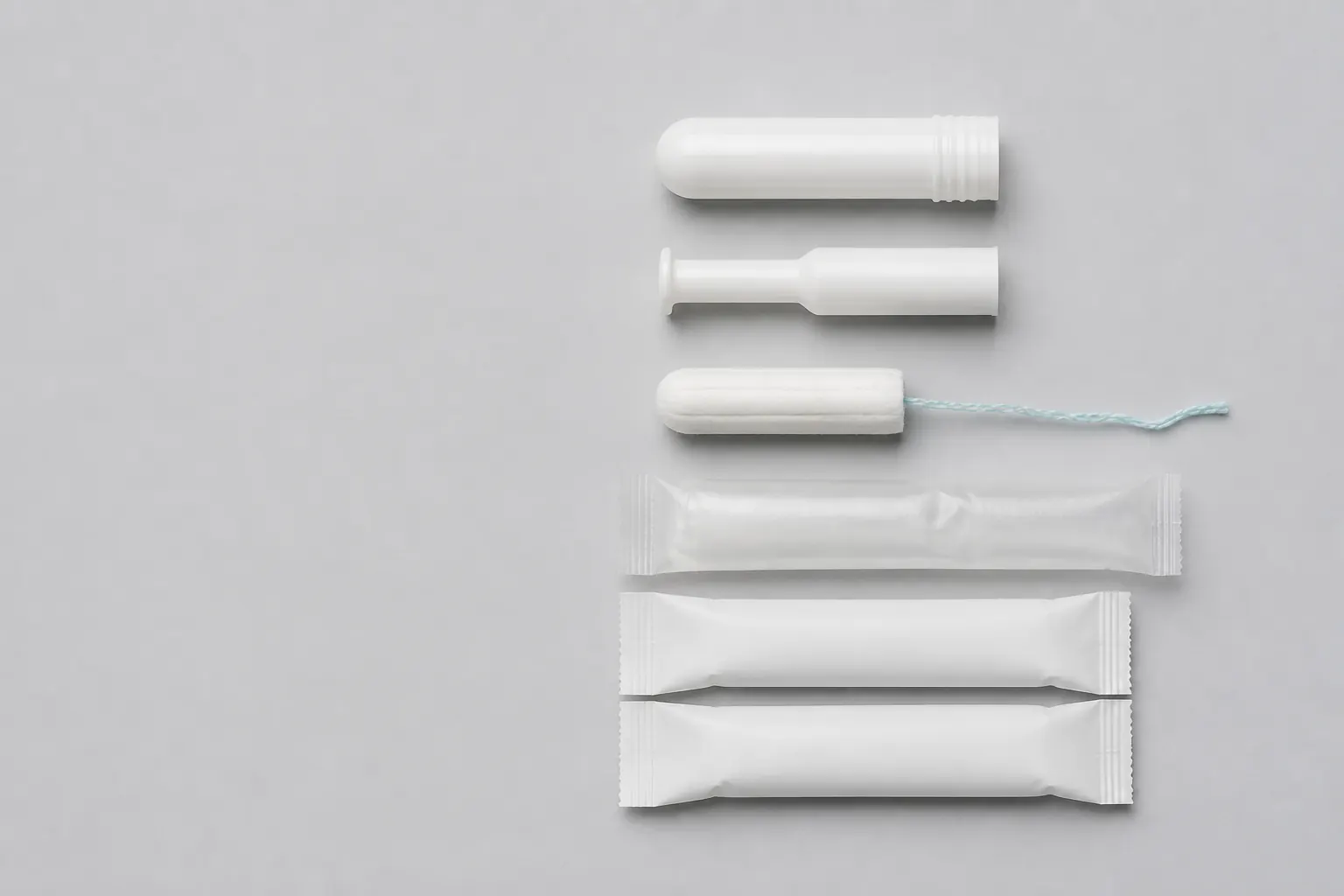
Component references are illustrative. The approved sample and written specification control the project.
RFQ CHECKLIST
What information is required for a non-applicator tampon quotation?
A useful RFQ connects the product, packaging and market requirements. If some details are undecided, mark them as open so the relevant sample route can be discussed.
01
Target market
Country, sales channel and buyer or regulator requirements.
02
Absorbency program
Requested categories, SKU mix and the labeling system for the destination market.
03
Material direction
Requested tampon, cover, string and wrapper materials, plus evidence expectations.
04
Product reference
Preferred dimensions, existing sample, drawing or benchmark product if available.
05
Packaging brief
Units per box, languages, barcode, artwork status and shipping-carton marks.
06
Commercial inputs
Estimated quantity, sample destination and desired launch or delivery window.
Commercial terms are project-specific. MOQ, sample cost, lead time, payment terms and delivery terms are confirmed only after the selected specification and packaging scope are reviewed.
FORMAT COMPARISON
How do non-applicator and applicator tampon projects differ?
The core purchasing difference is the component system. A non-applicator project removes the barrel and plunger from the specification, but the tampon, string, wrapper, pack and market requirements still need formal approval.
| Planning factor | Non-applicator direction | Plastic applicator direction |
|---|---|---|
| Insertion format | Finished tampon is inserted by hand | Finished tampon is supplied inside a barrel-and-plunger system |
| Components to approve | Tampon, cover if applicable, string and wrapper | Tampon, string, barrel, plunger, grip and wrapper |
| Dimensions to confirm | Finished product and wrapper dimensions | Product plus applicator and assembled dimensions |
| Packaging review | Pack structure based on the wrapped unit | Pack structure must also accommodate applicator geometry |
| Claims review | Claims require evidence for the exact product and packaging | Claims require evidence for the exact product, applicator and packaging |
Need an applicator format instead? Review the applicator tampon sourcing page.
ABSORBENCY PLANNING
How should a buyer define the absorbency range?
Start with the categories required for the destination market and planned assortment. Availability, test targets, product dimensions and labeling are then checked for each selected SKU.
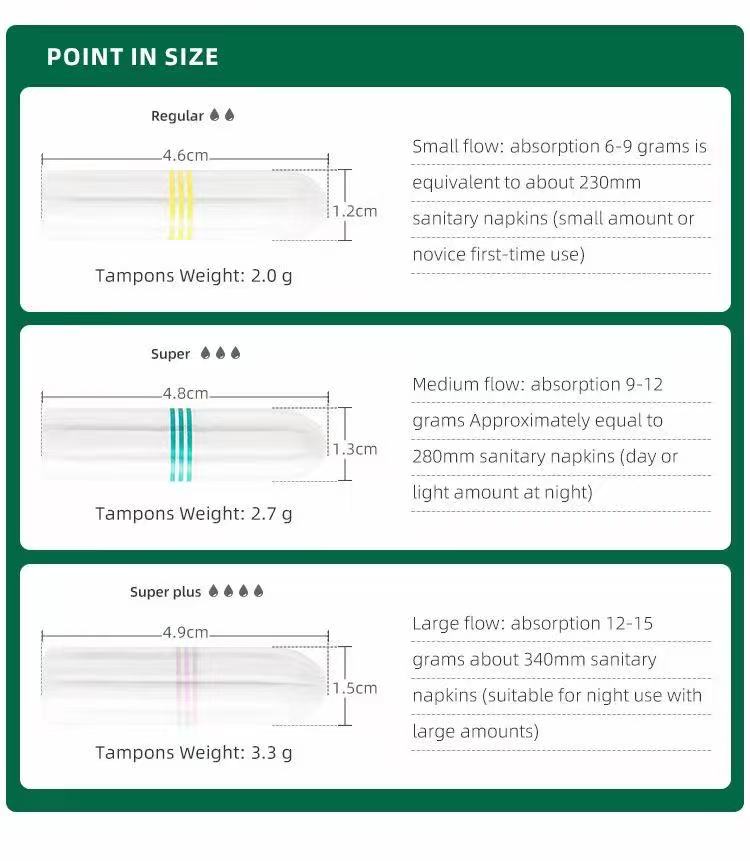
Regular
Regular 6–9 g is the confirmed everyday absorbency option. Confirm the required quantity, product dimensions and wrapper identification for this specification.
Super
Super 9–12 g is the confirmed higher-absorbency option. Treat it as a separate specification with its own quantity, wrapper identification and retail-pack information.
U.S. buyer reference: FDA guidance connects menstrual-tampon absorbency, performance testing and labeling. Review the current FDA premarket guidance when planning a U.S. program; it does not replace product-specific regulatory review.
PRIVATE-LABEL PACKAGING
What packaging can be reviewed for a non-applicator range?
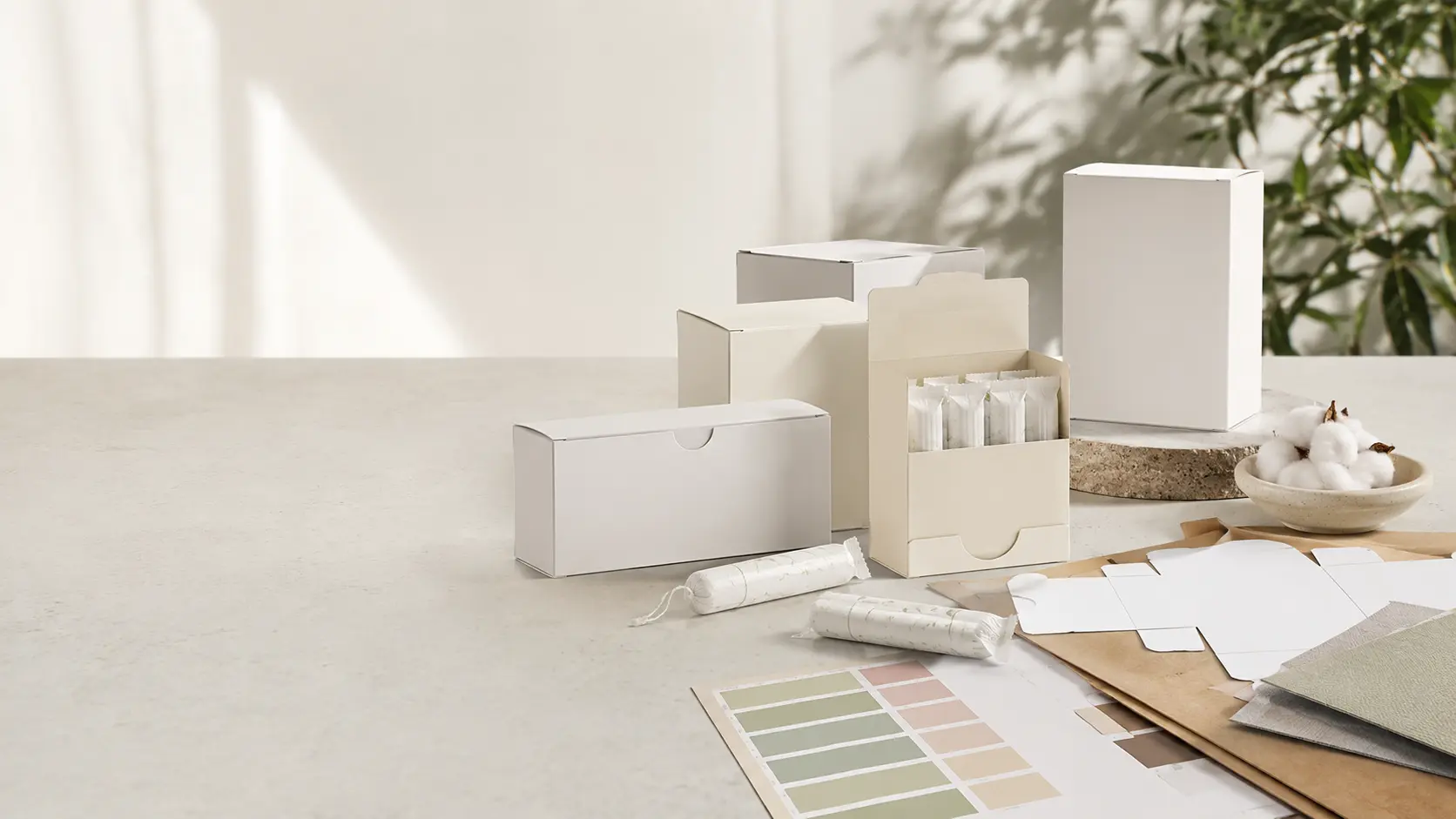
Packaging is developed around the approved wrapped unit, intended sales channel and destination-market information. Buyer-supplied artwork is checked against the agreed pack structure before commercial production.
Wrapper
Material, print zones, SKU identification and opening direction.
Retail box
Pack count, structure, languages, barcode and required information.
Shipping carton
Case configuration, carton marks and delivery identification.
Artwork control
Approved files, revisions and final pre-production confirmation.
PROJECT WORKFLOW
How does a private-label non-applicator project move forward?
Green Gardener uses a staged approval process so the buyer can connect the quotation, sample, specification, packaging and inspection criteria.
STEP 01
Review the brief
Confirm market, range, materials, packaging, quantity and open questions.
STEP 02
Select samples
Identify relevant available references and confirm sample terms and delivery.
STEP 03
Approve specification
Record product, wrapper, pack, artwork and acceptance requirements.
STEP 04
Produce and inspect
Manufacture and inspect against the approved product and packaging reference.
STEP 05
Prepare delivery
Confirm shipment marks, available documents and agreed delivery terms.
QUALITY & DOCUMENT REVIEW
Which quality information should a buyer confirm?
Quality and compliance statements must match the exact product, production scope and destination market. Green Gardener reviews requested material, testing, packaging and certification documents against the confirmed project rather than making blanket claims for every SKU.
Approved reference: product and packaging specification used for inspection.
Requested evidence: available documents checked for product and market relevance.
Artwork information: labels, instructions and claims reviewed before printing.
Safety communication: buyer and market requirements incorporated into the final pack brief.
For U.S. consumer-safety context, see the FDA’s official tampon information and safe-use page.

BUYER QUESTIONS
Non-Applicator Tampon OEM FAQs
These answers define the current project scope and the details required before samples, commercial terms or marketing claims can be confirmed.
What does “digital tampon” mean?
It is another term for a tampon inserted by hand. “Digital” refers to finger insertion and does not mean the product is electronic.
Does this format include an applicator?
No. The format is supplied without an applicator barrel or plunger. Buyers requiring an applicator can review our plastic applicator routes.
Can organic cotton be considered?
Organic cotton can be reviewed as a project direction. Any certificate or finished-product wording must match the exact material, document scope and approved program.
Which absorbency categories are available?
The currently confirmed options are Regular 6–9 g and Super 9–12 g. Include the required quantity for each specification in your RFQ; testing and labeling requirements remain product- and market-specific.
Can the wrapper and retail box be branded?
Private-label wrapper and box customization can be evaluated. Artwork, languages, barcode, claims and pack information require approval before production.
How is the MOQ determined?
MOQ depends on product construction, absorbency mix, wrapper, retail box and customization scope. It is confirmed after the full brief is reviewed.
Can samples be reviewed before production?
Relevant available samples can be reviewed before commercial production. Sample options, cost, timing and destination are confirmed per request.
Is a non-applicator tampon biodegradable or plastic-free?
No general claim should be made from the format alone. Every relevant product and packaging component—and the intended wording—must be reviewed against supporting evidence.