
Introduction
Tampons are one of the most widely used feminine hygiene products worldwide. Behind every tampon product is a carefully controlled manufacturing process designed to ensure safety, absorbency, and consistent quality.
Modern tampon production combines advanced machinery, high-quality fiber materials, and strict hygiene standards. Professional tampon manufacturers use automated production lines to produce millions of units while maintaining product reliability.
In this article, we explain the step-by-step tampon manufacturing process, including raw materials, fiber processing, compression, assembly, and packaging.
Raw Materials Used in Tampon Manufacturing
The first stage of tampon production begins with selecting the correct raw materials.
Most tampons are made using highly absorbent fibers such as:
- Viscose rayon fibers
- Cotton fibers
- Organic cotton
- Cotton-viscose blends
These materials are chosen because they offer excellent absorbency while remaining soft and safe for personal hygiene products.
Other components used in tampon production include:
- Withdrawal strings
- Applicators (plastic or cardboard)
- Protective wrappers
All materials must pass strict quality checks before entering the production line.
Step 1: Fiber Preparation
In the first production stage, raw fibers are prepared for processing.
Cotton or viscose fibers are:
- cleaned
- separated
- aligned into uniform layers
This step ensures that the fibers will form a consistent absorbent core.
Proper fiber preparation is essential for creating tampons with reliable absorbency and structural stability.
Step 2: Fiber Compression
After preparation, the fibers move into a compression stage.
Specialized machinery compresses the fibers into cylindrical shapes that form the tampon core.
During this stage, manufacturers control:
- fiber density
- compression pressure
- tampon weight
These factors determine the final absorbency level of the tampon.
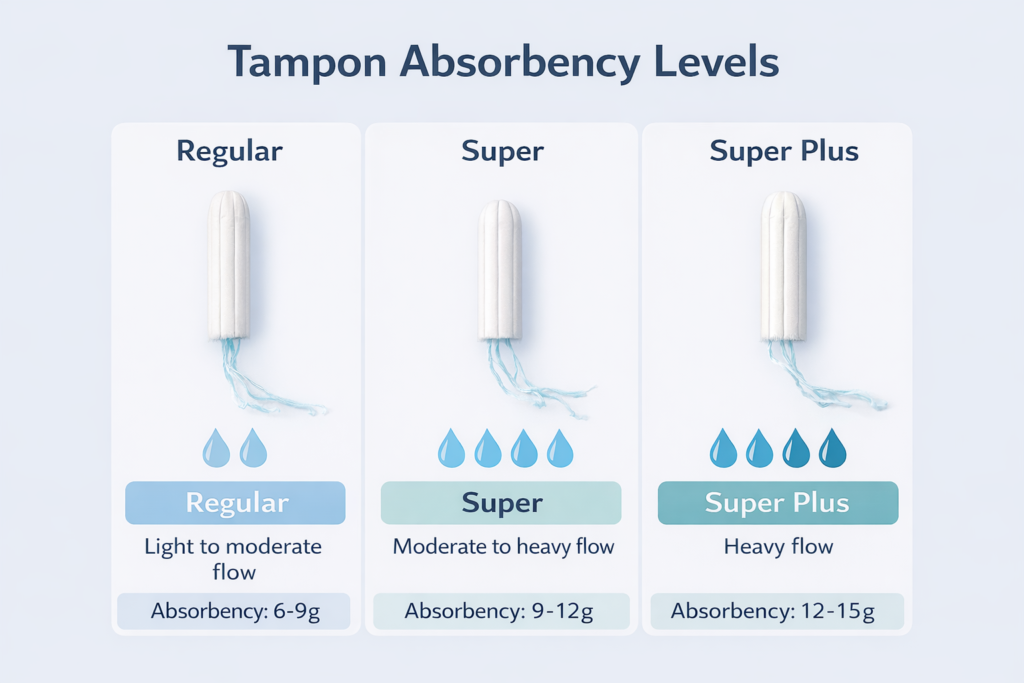
For example:
| Tampon Type | Absorbency |
|---|---|
| Regular | 6–9 g |
| Super | 9–12 g |
| Super Plus | 12–15 g |
Step 3: Withdrawal String Attachment
Each tampon includes a withdrawal string that allows safe removal.
The string is attached to the tampon core during the assembly stage using automated machinery.
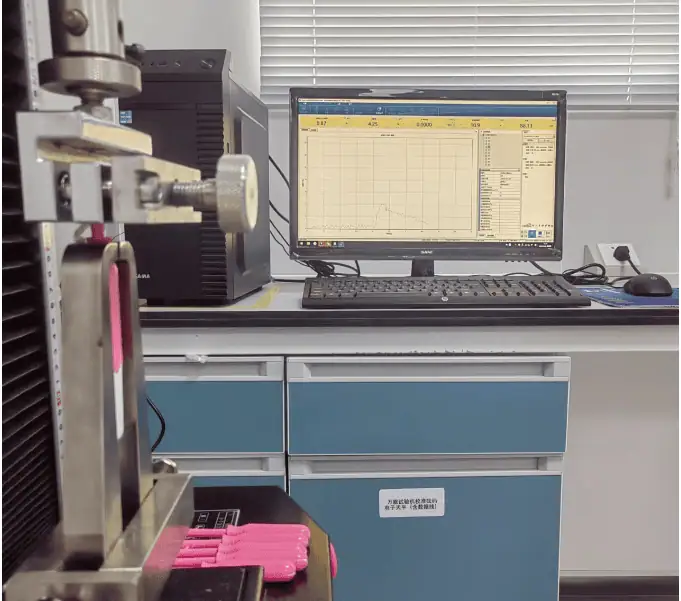
Quality checks ensure the string is securely attached and meets pull-strength requirements.
Step 4: Tampon Shaping and Finishing
After the string is attached, the tampon core is shaped and refined to achieve its final form.
The outer surface may be slightly smoothed to improve insertion comfort.
Manufacturers also ensure the tampon expands properly when absorbing fluid.
Step 5: Applicator Assembly (Optional)
Some tampon products include an applicator.
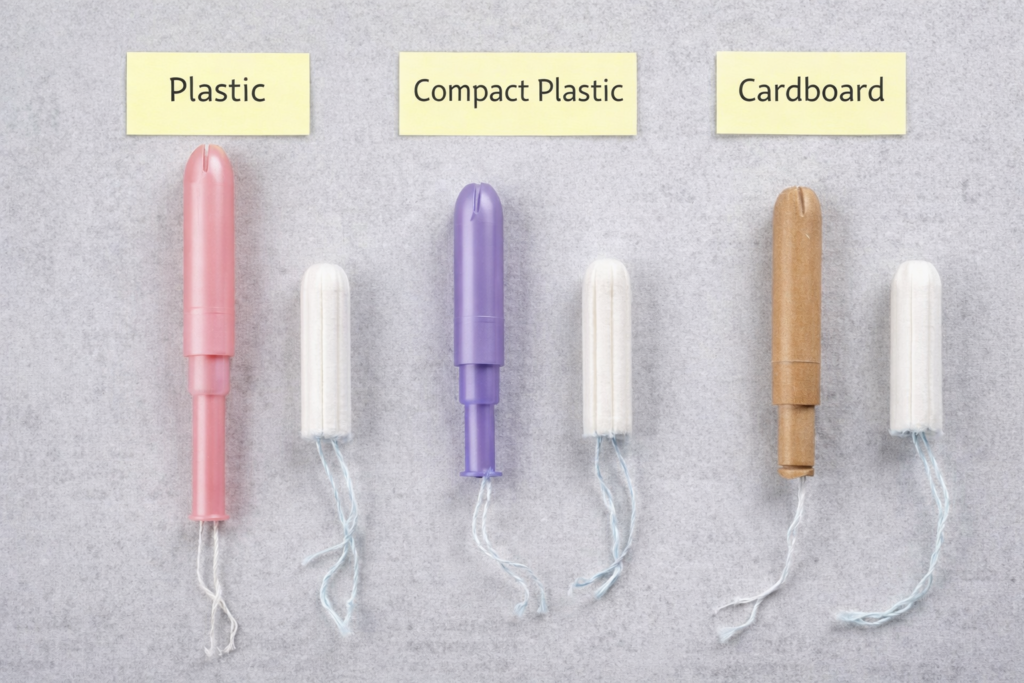
The applicator helps users insert the tampon more easily and hygienically.
Common applicator types include:
- Plastic applicators
- Compact plastic applicators
- Cardboard applicators
The tampon is inserted into the applicator tube during this stage.
Step 6: Individual Wrapping
After assembly, tampons are individually wrapped to maintain hygiene and product safety.
Common wrapping materials include:
- plastic film wrappers
- paper wrappers
Individual packaging protects the product during transportation, storage, and consumer use.
Step 7: Quality Control and Testing
Quality control is one of the most important steps in tampon manufacturing.
Manufacturers perform several tests, including:
- absorbency testing
- fiber density inspection
- withdrawal string strength testing
- microbiological safety testing
These tests ensure the final product meets safety and performance standards.
Step 8: Carton Packaging and Distribution
Once tampons pass quality inspection, they are packed into retail boxes and shipping cartons.
Packaging may include:
- retail boxes
- bulk packaging for distributors
- private label packaging for brands
Finished products are then shipped to global markets.
Private Label Tampon Manufacturing
Many global brands partner with specialized tampon manufacturers to produce private label products.
Professional manufacturers offer services such as:
- custom tampon absorbency levels
- applicator customization
- organic cotton options
- custom packaging design
- large-scale production capacity
Private label manufacturing allows brands to launch their own feminine hygiene products efficiently.
Conclusion
Tampon manufacturing is a highly controlled process that combines advanced machinery, carefully selected materials, and strict quality standards.
From fiber preparation to final packaging, each stage is designed to ensure that tampons provide safe, reliable absorbency for consumers.
For companies looking to develop their own feminine hygiene products, working with an experienced tampon manufacturer can provide the expertise and production capacity needed for successful private label brands.