
In the global feminine hygiene industry, tampons are no longer just basic menstrual products—they are becoming symbols of sustainability, innovation, and inclusivity. As consumers demand organic cotton tampons, biodegradable applicators, and private label solutions, manufacturers are redefining what menstrual care means.
This article examines the top 10 tampon companies driving change, their distinctive contributions, and how the future of tampon manufacturing is evolving.
Understanding Tampons
A tampon is a small, cylindrical feminine hygiene product made from absorbent cotton or rayon fibers, designed to be inserted into the vagina to absorb menstrual flow. Available in various sizes and absorbencies, tampons are widely used for their:
- Convenience & Mobility – Perfect for sports, swimming, and travel.
- Hygiene & Comfort – Prevents leakage and odor when used properly.
- Variety – Options include applicator tampons, digital tampons, and organic tampons.
As modern consumers demand healthier and eco-friendly products, tampons are evolving from traditional designs into innovative solutions for women worldwide.
Why Tampons Matter
Tampons have reshaped menstrual health by:
- Empowering women with freedom of movement
- Offering discreet, comfortable protection
- Driving menstrual equity and inclusivity
- Supporting sustainable choices with organic cotton & biodegradable materials
What’s Fueling Tampon Demand?
- Organic & Eco-Friendly Products – Consumers prefer tampons made from organic cotton, free from chlorine, fragrances, and chemicals.
- Government & NGO Initiatives – Menstrual hygiene education is breaking stigmas and encouraging the adoption of tampons.
- Urbanization & E-Commerce – Easy access through pharmacies, supermarkets, and online platforms.
- Inclusive Product Development – Brands now offer hypoallergenic tampons and size ranges for different flow levels.
- Affordable Blended Materials – Cotton + rayon tampons balance comfort, absorbency, and cost.
1. Procter & Gamble (Tampax) – USA
As one of the world’s largest tampon manufacturers, Tampax is a household name. It continuously innovates with organic tampon lines and sleek applicator designs to serve eco-conscious consumers.
2. Kimberly-Clark (U by Kotex) – USA
Known for stylish, youthful branding, U by Kotex emphasizes menstrual equity and sustainable options. It has been a pioneer in breaking taboos around menstruation.
3. The Honest Company – USA
Founded by Jessica Alba, The Honest Company focuses on organic cotton tampons that are safe, hypoallergenic, and eco-friendly—appealing to health-conscious women.
4. Natracare – UK
A pioneer in organic and plastic-free tampons, Natracare has been leading the sustainability movement since 1989. Their products are 100% organic cotton and biodegradable.
5. Seventh Generation – USA
Known for household eco-products, Seventh Generation also offers organic tampons with biodegradable applicators, catering to eco-conscious shoppers worldwide.
6. TamponManufacturer.com (Green Gardener) – China
Operated by UNI BEAUTY (Hubei) Technology Co., Ltd., TamponManufacturer.com is a China-based OEM/ODM tampon manufacturer with its own production facilities, offering private-label solutions in organic cotton and standard cotton/rayon-blend lines, with customizable packaging and branding for distributors and emerging brands. Compliance documentation is available on request for verified buyers.
7. Corman (Organyc) – Italy
Corman’s Organyc brand focuses on GOTS-certified organic cotton tampons with eco-packaging. It is widely recognized in Europe for sustainability.
8. Essity (Libresse / Bodyform) – Sweden
A global hygiene giant, Essity integrates innovation and inclusivity by offering applicator and digital tampons that cater to different regional preferences.
9. Rael – USA
A direct-to-consumer wellness brand, Rael specializes in organic tampons and period care products designed for comfort, targeting modern, health-focused consumers.
10. Daye – UK
Daye has disrupted the market with tampons infused with CBD for pain relief. This startup blends wellness and menstrual health, representing the future of tampon innovation.
Challenges for Tampon Manufacturing
Despite rapid growth, the tampon industry faces challenges:
- Environmental Concerns – Plastic waste from applicators
- Health Misconceptions – Myths around TSS (Toxic Shock Syndrome)
- Cultural Stigma – In many regions, tampon use is still taboo
- Affordability – Organic tampons can be more expensive
Future Outlook
The tampon industry is shifting from mass-market products to sustainable, customizable, and inclusive menstrual solutions.
- OEM/ODM manufacturers in Asia are enabling private-label tampon brands worldwide.
- Sustainable materials (organic cotton, biodegradable applicators) will dominate future markets.
- DTC brands will continue to rise, offering personalized, eco-friendly products.
Now is the best time for retailers, startups, and legacy hygiene brands to launch or expand tampon product lines.
Partner With a Trusted OEM/ODM Tampon Manufacturer
Looking to launch your tampon brand? Look for a certified tampon manufacturer that offers:
- FDA, ISO, CE, GOTS certifications you can verify
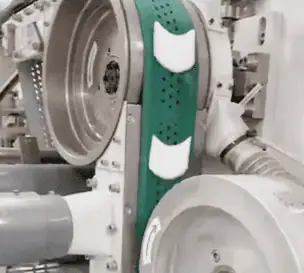
- Applicator & digital tampon production lines
- Private label customization & packaging design
- Global logistics & compliance support
Contact us today to discuss samples, private-label options, or a factory visit.
FAQ
What materials are used to make tampons?
Most tampons are made from cotton, rayon, or a blend of both. Increasingly, brands use 100% organic cotton for eco-conscious consumers.
Are organic tampons safer than regular ones?
Organic tampons are made without chlorine bleaching, synthetic fragrances, or pesticide residue, which makes them a gentler option for sensitive skin and a lower-impact choice environmentally. There’s no clinical evidence that regular cotton/rayon tampons are unsafe when used as directed.
Can I start a tampon brand without owning a factory?
Yes. Working with an OEM/ODM tampon manufacturer lets you launch a private-label tampon brand without owning production facilities — the manufacturer handles production and packaging, though you’re still responsible for verifying its compliance and quality claims yourself.
What certifications should a tampon manufacturer have?
Look for FDA registration, ISO 13485, CE marking (for the EU), and GOTS certification if the product is marketed as organic — and ask for the actual certificate or registration number rather than relying on a logo.
Are tampons environmentally friendly?
Conventional tampons with plastic applicators contribute to plastic waste. Organic cotton tampons with biodegradable or cardboard applicators are a lower-waste alternative, though full biodegradability depends on the specific materials used.
What MOQ should I expect from an OEM/ODM tampon manufacturer?
MOQs and per-unit pricing vary by factory, absorbency type, and packaging customization — treat any range you see online as a general industry reference point, and confirm the exact figure with your chosen manufacturer before ordering.
Can I get samples before placing a bulk order?
Most established manufacturers can provide samples before mass production, though sample cost and lead time vary by factory — ask directly rather than assuming a fixed cost or turnaround.
How long does production and international delivery typically take?
As a general industry reference, production commonly runs several weeks after packaging design is confirmed, with sea freight taking longer than air freight for international delivery. Exact timelines depend on the factory’s current order volume and your destination, so confirm both directly with your manufacturer.
Do tampon factories provide packaging and branding services?
Many OEM/ODM manufacturers offer private-label services such as custom box design, logo printing, and eco-friendly packaging options — confirm exactly what’s included (design work vs. production only) before signing off.