
Choosing a tampon format is one of the first decisions in a private-label project. Applicator tampons, non-applicator tampons and organic cotton options can serve different customer preferences, packaging concepts and brand positions. This comparison helps buyers define the product brief before requesting samples or an OEM quotation.
Private Label Tampon Product Comparison
| Product Option | Typical Project Considerations | Questions to Confirm |
|---|---|---|
| Applicator tampons | Product format with an outer applicator tube; may suit brands planning a guided-insertion format. | Applicator preference, absorbencies, wrapper, retail pack and target customer. |
| Non-applicator tampons | Compact format without an outer applicator tube; may suit focused or compact-pack product ranges. | Material preference, wrapper, retail pack and customer positioning. |
| Organic cotton options | Product option for brands planning a defined organic cotton material requirement. | Material specification, documentation questions, product claims and packaging wording. |
| Mixed absorbency packs | Retail pack with more than one absorbency level. | Units per absorbency, retail-box layout, MOQ by SKU and inventory plan. |
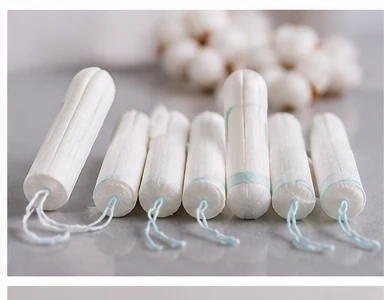
How to Choose Between Applicator and Non-Applicator Tampons
Choose according to your target customer, intended sales channel, product positioning and packaging strategy. An applicator product brief should define the applicator preference as well as the tampon specification. A non-applicator product brief should define the preferred compact format, wrapper and retail-pack concept. Both can be developed across different absorbency ranges, subject to project requirements.
Brands considering both formats should request them as separate product configurations. Product pricing, MOQ, wrapper requirements and retail packaging can differ.
When to Consider Organic Cotton Options
Organic cotton options may fit a brand whose product position includes a specific natural-material requirement. The buyer should define the required material specification and review the scope of relevant documentation before making packaging or marketing claims. Material choice should also be considered alongside absorbency, packaging, retail price position and target-market plan.

Absorbency and Retail-Pack Planning
Decide whether the range will contain one absorbency, several standalone SKUs or a mixed absorbency pack. For every option, state the quantity required by SKU, tampons per retail box and the intended packaging artwork. This is necessary for MOQ guidance, quotation comparison and production planning.
Product Comparison Checklist for an OEM Quote
- Target country and intended retail, e-commerce or distribution channel
- Applicator, non-applicator or organic cotton product option
- Absorbency range and quantity planned for each SKU
- Material requirement and documentation questions
- Individual wrapper and retail-box requirements
- Tampons per box, barcode, languages and packaging artwork
- Delivery location, target launch date and expected reorder plan
Explore Product Pages
- Applicator Tampons
- Non-Applicator Tampons
- Organic Cotton Tampons
- Private Label Tampons
- Private Label Tampon FAQ
Frequently Asked Questions
Which tampon format is best for a private-label brand?
The best choice depends on your customer, product position, sales channel, packaging plan and target market. Define these requirements before requesting an OEM quotation.
Can I offer applicator and non-applicator tampons under one brand?
Yes. Treat each format as a separate product configuration and confirm product, packaging, MOQ and quantity requirements for each SKU.
Can I create a mixed absorbency pack?
Yes. State the number of units at each absorbency, the retail-pack count and the expected quantity for the resulting SKU.