Tampon Packaging Regulations for International Markets

Introduction Tampons are classified as personal hygiene products and must comply with specific packaging and labeling regulations in many international markets. Proper packaging is not only important for product protection but also required for regulatory compliance. For brands and distributors importing tampon products, understanding packaging regulations is essential to ensure smooth customs clearance and legal […]

Tampon Packaging Regulations for International Markets Read More »
Tampon Demand in the USA: Market Size and Consumer Trends

Introduction The United States is one of the largest markets for feminine hygiene products in the world. Among these products, tampons remain a popular choice for millions of consumers due to their convenience, comfort, and reliability. Over the past decade, the demand for tampons in the USA has remained strong, supported by increasing awareness of

Tampon Demand in the USA: Market Size and Consumer Trends Read More »

Global Tampon Market Size and Industry Trends (2026 Report)

Introduction The global tampon market continues to grow steadily as demand for feminine hygiene products increases worldwide. Rising awareness of menstrual health, improved access to hygiene products, and the expansion of retail and e-commerce channels have all contributed to the growth of the tampon industry. Today, tampons are widely used in many countries, especially in

Global Tampon Market Size and Industry Trends (2026 Report) Read More »

Tampon Manufacturing Cost Breakdown (Private Label Guide)

Introduction For companies planning to launch their own feminine hygiene brand, understanding the tampon manufacturing cost is an important step. The cost of producing tampons can vary depending on materials, absorbency levels, applicator types, packaging, and order quantity. Many global brands work with professional tampon manufacturers to produce private label products. By partnering with an

Tampon Manufacturing Cost Breakdown (Private Label Guide) Read More »

How to Choose a Reliable Tampon Manufacturer (Complete B2B Guide)

Introduction Choosing the right tampon manufacturer is one of the most important decisions for brands, distributors, and retailers entering the feminine hygiene market. A reliable manufacturer ensures consistent product quality, regulatory compliance, and stable supply capacity. On the other hand, working with an inexperienced supplier may lead to product issues, delayed shipments, or market risks.

How to Choose a Reliable Tampon Manufacturer (Complete B2B Guide) Read More »

Tampon Manufacturing Process Explained (Step-by-Step Factory Guide)

Introduction Tampons are one of the most widely used feminine hygiene products worldwide. Behind every tampon product is a carefully controlled manufacturing process designed to ensure safety, absorbency, and consistent quality. Modern tampon production combines advanced machinery, high-quality fiber materials, and strict hygiene standards. Professional tampon manufacturers use automated production lines to produce millions of

Tampon Manufacturing Process Explained (Step-by-Step Factory Guide) Read More »

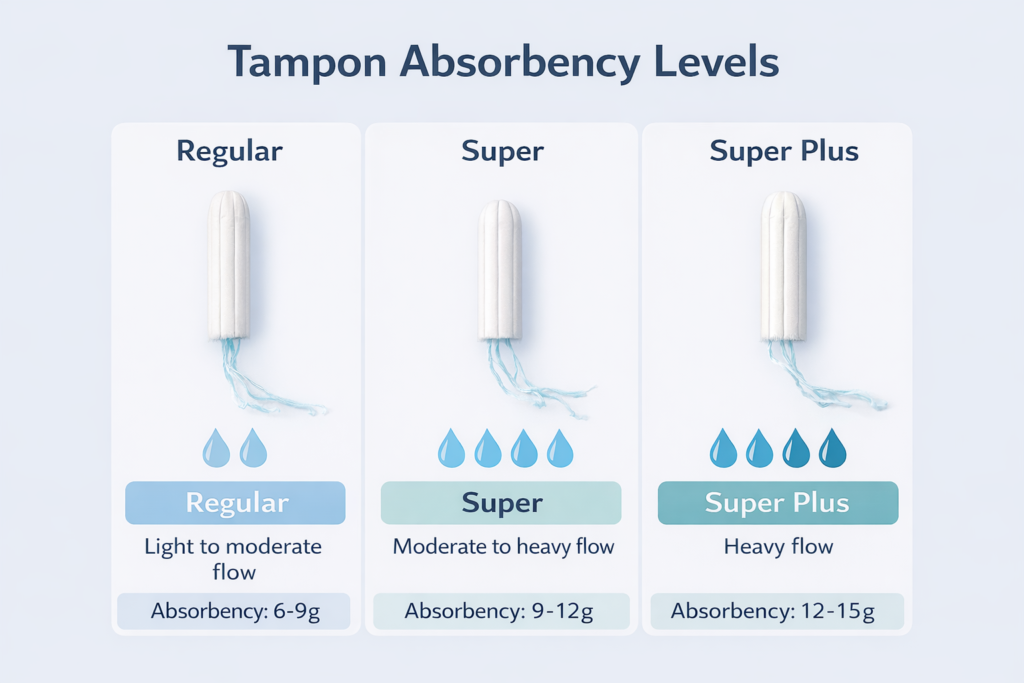
Tampon Absorbency Levels Explained (Regular, Super, Super Plus)

Introduction Tampons are available in different absorbency levels to match varying menstrual flow needs. Choosing the correct absorbency is important for comfort, safety, and effective protection. Most tampon products are categorized into three main absorbency levels: These levels indicate how much menstrual fluid the tampon can absorb. Manufacturers adjust the fiber density and weight of

Tampon Absorbency Levels Explained (Regular, Super, Super Plus) Read More »

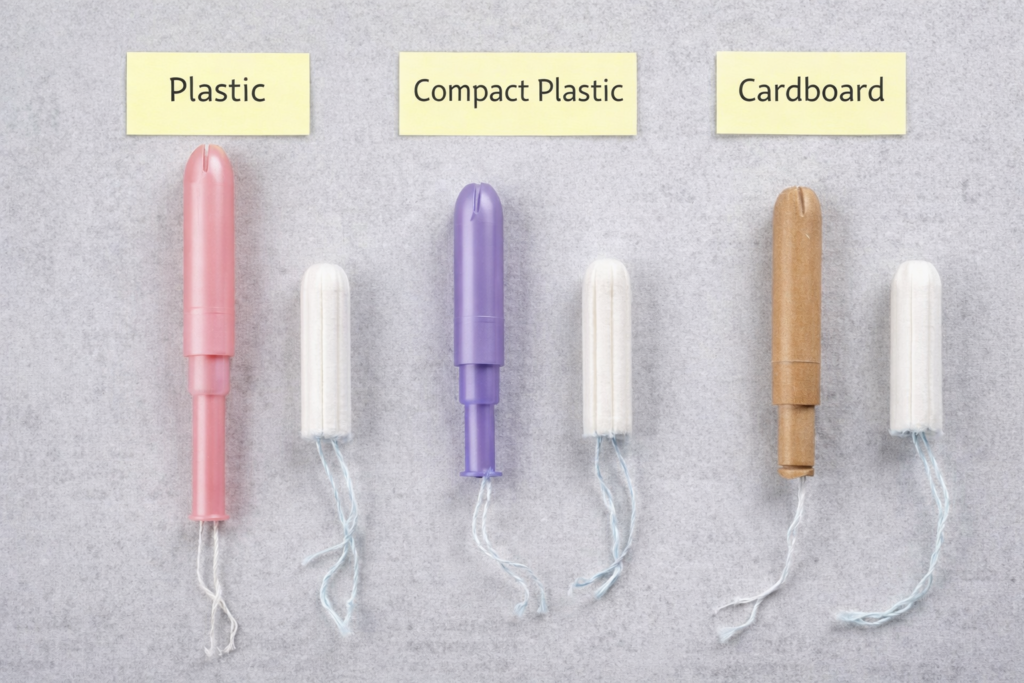
Different tampon applicator types including plastic, compact plastic and cardboard applicators

Tampon Applicator Types Explained (Plastic vs Cardboard)

Introduction Tampon applicators are designed to help insert a tampon safely, comfortably, and hygienically. While some tampons are sold without applicators, many products—especially in North America and Europe—include an applicator to make insertion easier. There are several types of tampon applicators available in the market, but the most common ones are: Each type offers different

Tampon Applicator Types Explained (Plastic vs Cardboard) Read More »

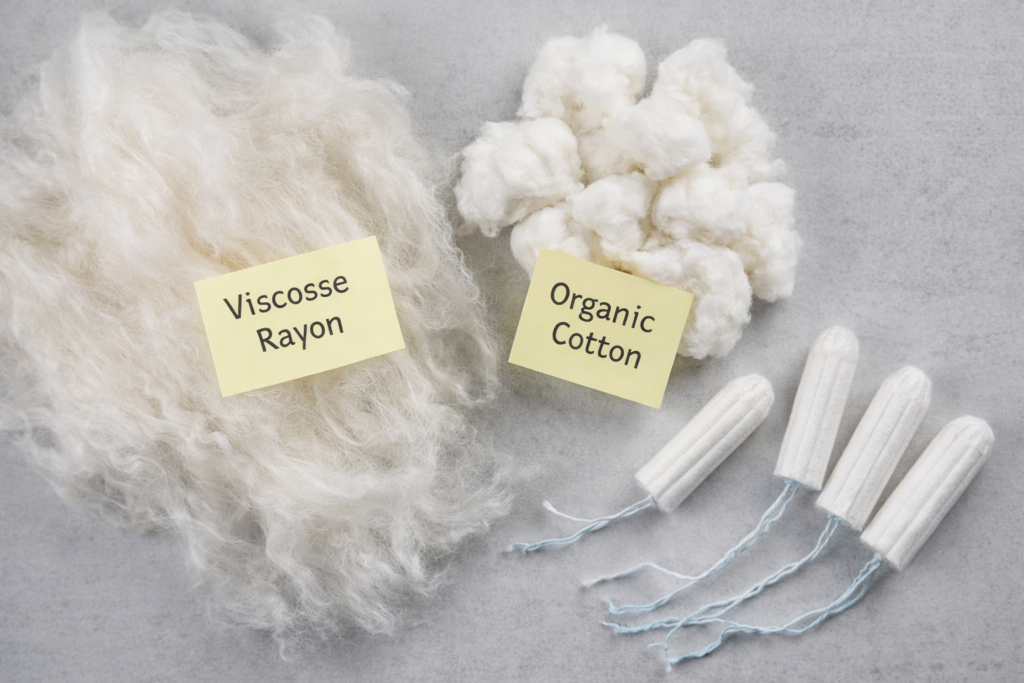
Viscose rayon and organic cotton fiber materials used in tampon manufacturing

What Are Tampons Made Of? Viscose vs Organic Cotton

Introduction Tampons are one of the most commonly used feminine hygiene products worldwide. Many consumers and brand owners often ask: What are tampons made of? The absorbent core of most tampons is made from natural or semi-synthetic fibers designed to safely absorb menstrual fluid while remaining comfortable during use. The two most common materials used

What Are Tampons Made Of? Viscose vs Organic Cotton Read More »

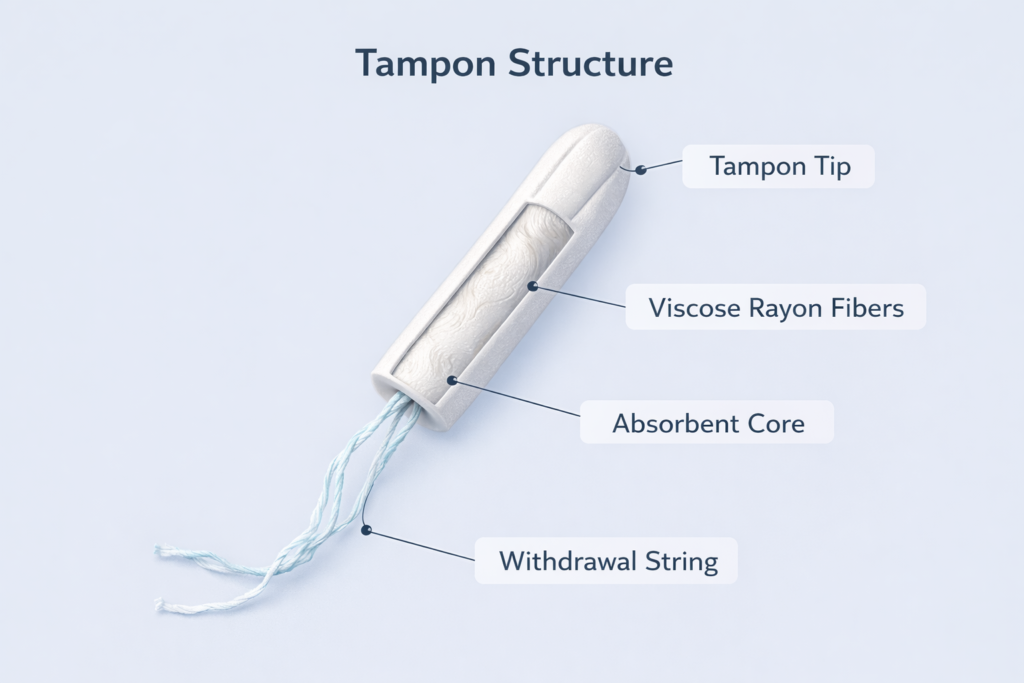
Main Parts of a Tampon A typical tampon consists of several key components that work together to provide effective absorbency and ease of use. The main parts include: Absorbent core Tampon tip Withdrawal string Outer layer Applicator (optional) Each component plays an important role in the overall performance of the product. Absorbent Core The absorbent core is the most important part of a tampon. This component is responsible for absorbing menstrual fluid and preventing leakage. Most tampon cores are made from highly absorbent fibers such as: viscose rayon cotton organic cotton cotton-rayon blends These fibers are compressed during manufacturing to form the cylindrical structure of the tampon. The design of the core determines the tampon’s absorbency level, which may range from regular to super plus. Tampon Tip The tampon tip is the rounded front section of the product. This part is designed to allow smooth insertion and improve comfort during use. Manufacturers shape the tip carefully to ensure that the tampon can be inserted easily without causing discomfort. In applicator tampons, the tip is usually visible at the front of the applicator tube. Withdrawal String Every tampon includes a withdrawal string, which allows the user to remove the tampon safely after use. The string is securely attached to the absorbent core during the manufacturing process. Manufacturers test the strength of the string to ensure it meets safety standards and does not detach during removal. Withdrawal strings are typically made from cotton or synthetic fibers designed to maintain strength even when wet. Outer Layer Some tampons include an outer layer that helps maintain the shape of the tampon and ensures smooth expansion during use. This layer can improve the structural stability of the product and prevent fiber separation. In many designs, the outer layer also helps control how the tampon expands when absorbing fluid. Applicator (Optional) Some tampons include an applicator that helps users insert the tampon more easily. Applicators are typically made from: plastic compact plastic cardboard The applicator holds the tampon during insertion and pushes it into place using a plunger mechanism. Once the tampon is inserted, the applicator is removed and discarded. How Tampon Structure Affects Absorbency The structure of a tampon directly influences how well it absorbs fluid. Manufacturers control absorbency by adjusting: fiber material compression level tampon weight fiber arrangement These factors allow manufacturers to produce different absorbency levels such as: Absorbency Level Typical Weight Regular 6–9 g Super 9–12 g Super Plus 12–15 g This design ensures that tampons can meet different user needs throughout the menstrual cycle. Tampon Design and Manufacturing Professional tampon manufacturers use specialized production lines to assemble each component of the tampon structure. The manufacturing process typically includes: fiber preparation compression and shaping string attachment applicator assembly quality inspection Each step ensures that the final product meets strict hygiene and performance standards. Conclusion Although tampons appear simple, they are carefully engineered products composed of several important components. The absorbent core, tampon tip, withdrawal string, and optional applicator all play essential roles in ensuring safety, comfort, and effective absorbency. Understanding tampon structure helps consumers choose suitable products while also highlighting the advanced manufacturing processes behind modern feminine hygiene products.

How Are Tampons Manufactured? (Complete Factory Process Guide)

Introduction Tampons are one of the most widely used feminine hygiene products around the world. Many consumers and brand owners often wonder how tampons are produced and what processes are involved in manufacturing them safely and efficiently. Modern tampon manufacturing involves advanced machinery, strict quality control, and carefully selected materials to ensure hygiene, safety, and

How Are Tampons Manufactured? (Complete Factory Process Guide) Read More »