
Introduction
Tampons are one of the most widely used feminine hygiene products around the world. Many consumers and brand owners often wonder how tampons are produced and what processes are involved in manufacturing them safely and efficiently.
Modern tampon manufacturing involves advanced machinery, strict quality control, and carefully selected materials to ensure hygiene, safety, and consistent absorbency.
In this article, we will explain the complete tampon manufacturing process, including materials used, production steps, and quality control standards followed by professional tampon manufacturers.
What Materials Are Used to Make Tampons?
Most tampons are made from highly absorbent fibers designed to safely absorb menstrual flow while maintaining comfort.
Common materials include:
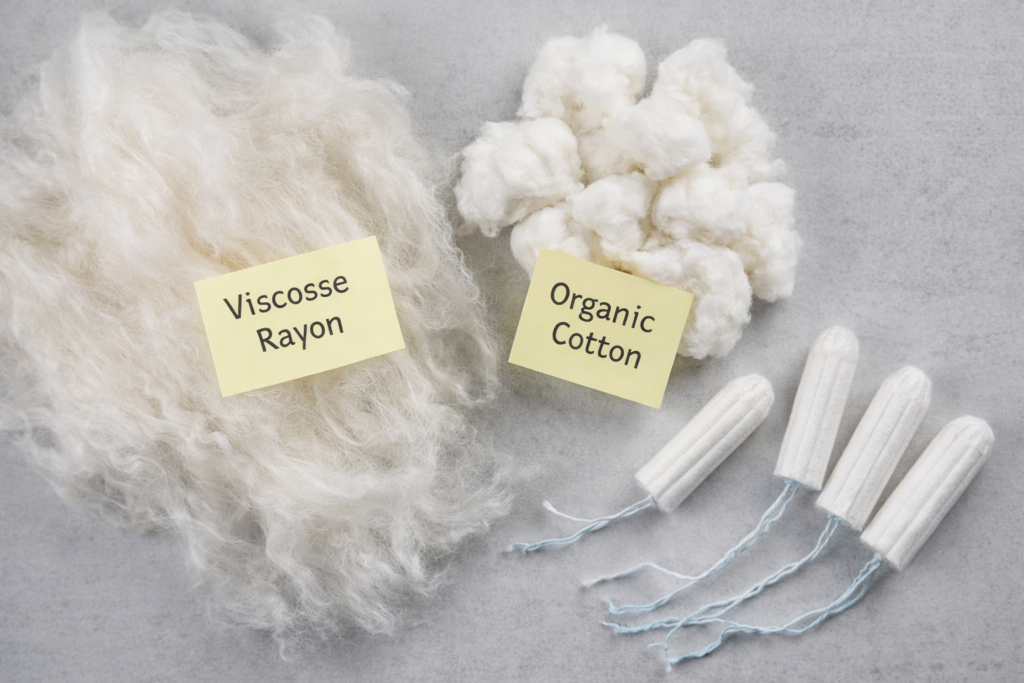
Viscose Rayon
Viscose is one of the most common tampon materials due to its excellent absorbency and soft texture.
Cotton
Some tampons are produced using natural cotton or organic cotton, which appeals to consumers looking for natural feminine hygiene products.
Blended Fibers
Many manufacturers combine cotton and viscose fibers to achieve optimal absorbency and product stability.
Additional components include:
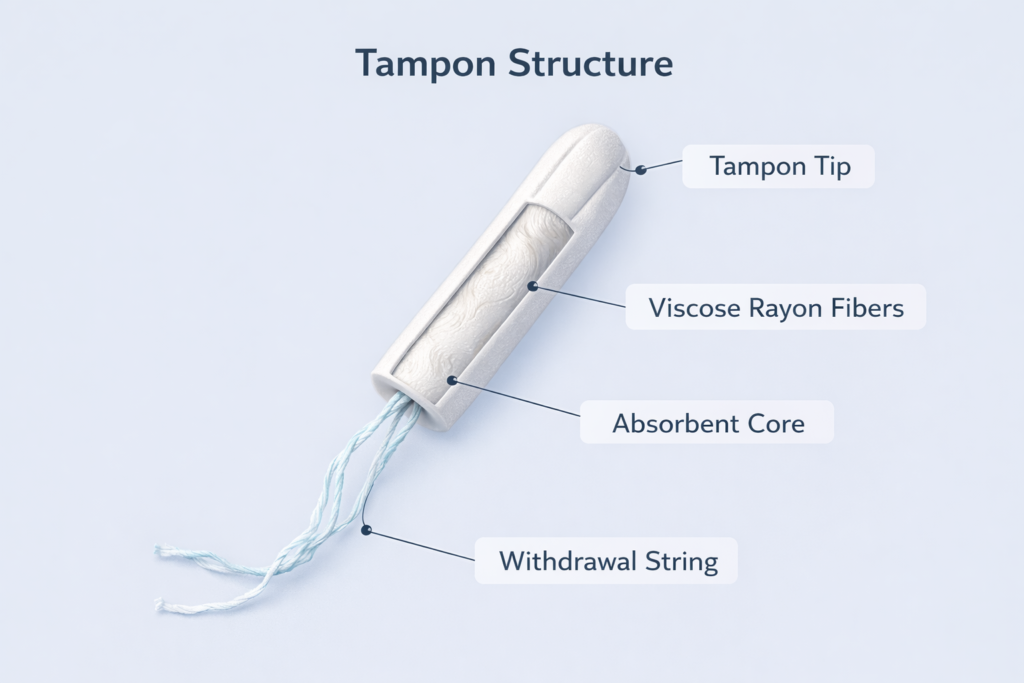
- Withdrawal string
- Applicator (plastic or cardboard)
- Protective wrapper
These materials must meet strict hygiene and safety standards before entering the production line.
Step-by-Step Tampon Manufacturing Process
Professional tampon factories use automated production lines to ensure consistent quality and high production efficiency.
Below is a simplified overview of the tampon manufacturing process.
1. Fiber Preparation
The first step involves preparing the absorbent fibers.
Cotton or viscose fibers are cleaned, separated, and aligned to create a uniform absorbent structure.
This step ensures that the tampon can evenly absorb fluid during use.
2. Fiber Compression
After preparation, the fibers are compressed into cylindrical shapes using specialized machinery.
The compression process forms the core structure of the tampon while maintaining the ability to expand when absorbing liquid.
Different compression levels are used to create various absorbency options, such as:
- Regular
- Super
- Super Plus
3. String Attachment
Each tampon includes a withdrawal string to allow safe removal.
During this step, the string is securely attached to the compressed fiber core to ensure durability and safety during use.
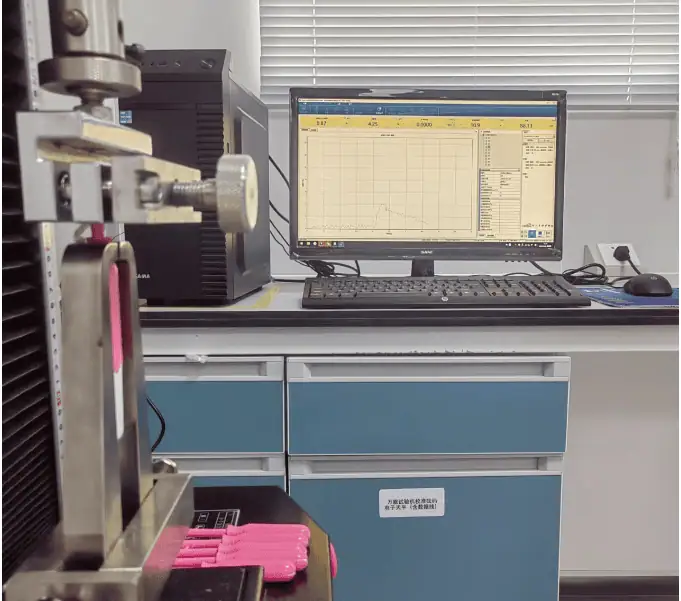
The attachment must meet strict pull-strength standards.
4. Shaping and Finishing
Once the tampon core and string are assembled, the product is shaped into its final form.
Manufacturers may apply surface finishing processes to ensure smooth insertion and user comfort.
5. Applicator Assembly (Optional)
For tampons with applicators, the tampon core is inserted into an applicator made from materials such as:
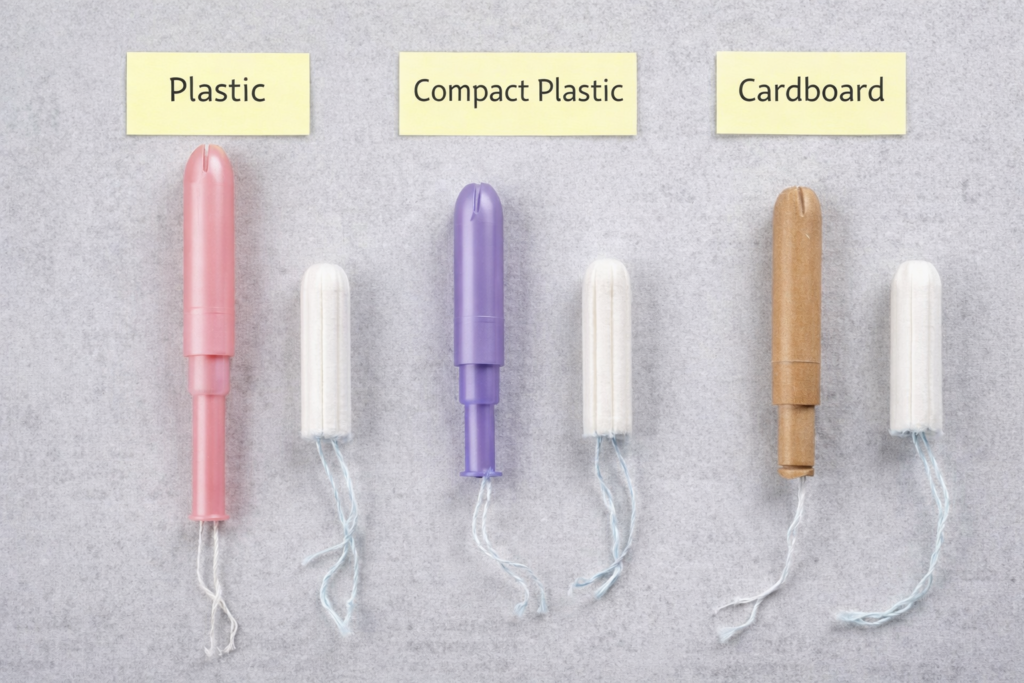
- LDPE plastic
- Compact plastic applicators
- Cardboard applicators
Applicators are designed to make tampon insertion easier and more hygienic.
6. Individual Wrapping
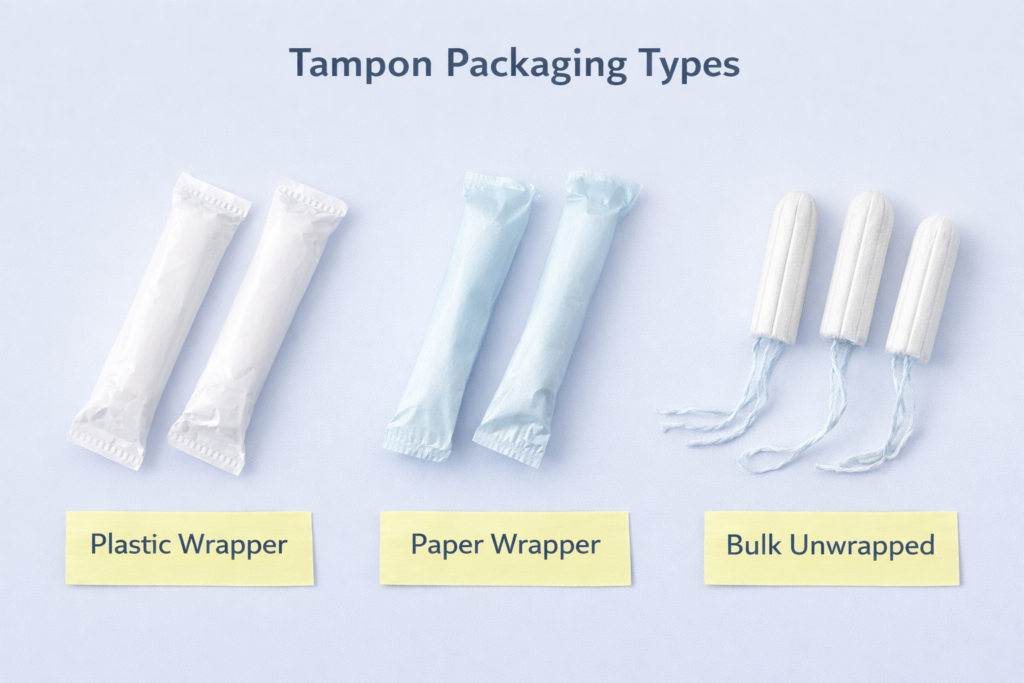
Each tampon is individually wrapped in hygienic protective film or paper packaging.
Individual wrapping helps protect the product from contamination during transportation and storage.
7. Quality Inspection
Quality control is a critical step in tampon manufacturing.
Manufacturers perform multiple tests, including:
- Absorbency testing
- Fiber density inspection
- String strength testing
- Microbiological testing
These inspections ensure that the final product meets safety and hygiene standards.
Tampon Absorbency Levels
Tampons are produced in several absorbency levels to suit different needs.
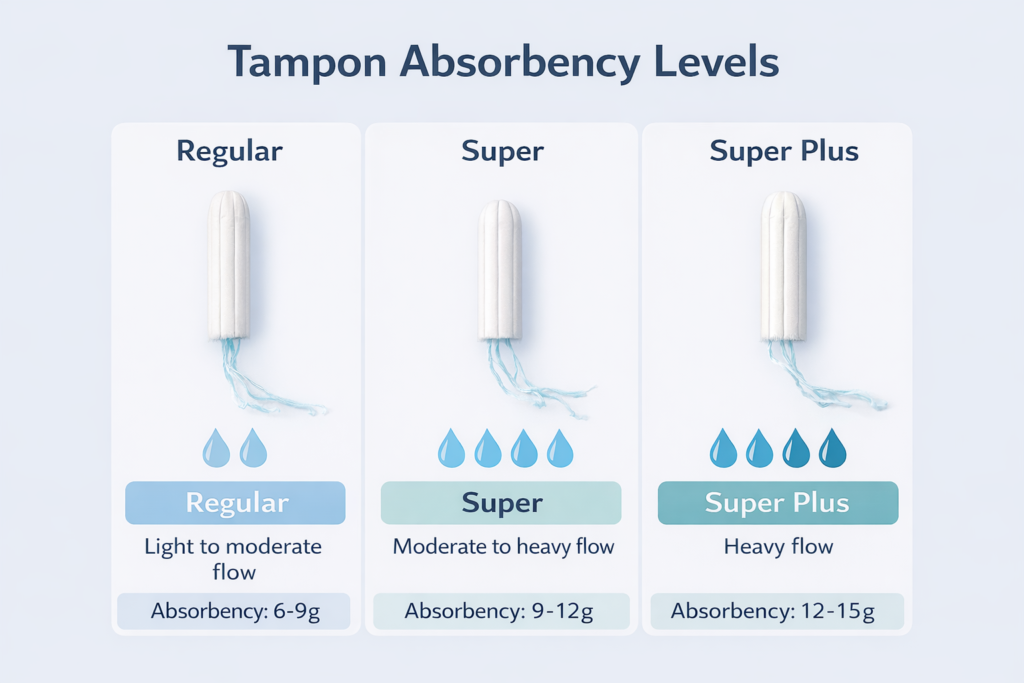
Common absorbency categories include:
| Type | Absorbency |
|---|---|
| Regular | Light to moderate flow |
| Super | Moderate to heavy flow |
| Super Plus | Heavy flow |
Manufacturers adjust fiber density and weight to achieve the required absorbency level.
Quality and Hygiene Standards in Tampon Manufacturing
Feminine hygiene products must follow strict safety standards.
Professional tampon manufacturers typically operate under regulated production environments and maintain strict hygiene procedures throughout the manufacturing process.
Key standards often include:
- Quality management systems
- Raw material inspection
- Sterile production environments
- Product safety testing
These standards help ensure the reliability and safety of the final product.
Private Label Tampon Manufacturing
Many global brands do not manufacture tampons themselves but instead partner with specialized tampon manufacturers for private label production.
Private label tampon manufacturing allows companies to:
- Launch their own feminine hygiene brand
- Customize packaging and branding
- Select absorbency levels and materials
- Access large-scale manufacturing capacity
This model is widely used by retailers, distributors, and emerging hygiene brands.
Conclusion
Tampon manufacturing is a highly specialized process that combines advanced machinery, strict hygiene standards, and carefully selected materials.
From fiber preparation to final packaging, each step is designed to ensure product safety, comfort, and reliable absorbency.
For brands looking to enter the feminine hygiene market, working with an experienced tampon manufacturer is often the most efficient way to develop high-quality private label products.
Looking for a reliable tampon manufacturer for private label products? Contact our team to learn more about OEM production options.