
As we move through 2026, the feminine hygiene landscape has fundamentally changed. The era of disposable, single-use, and often chemically treated menstrual products is rapidly being replaced by a more sustainable, health-conscious, and technology-driven future. Period underwear, once a niche product for early adopters, is now a cornerstone of the modern consumer’s wardrobe, offering a blend of comfort, security, and environmental responsibility that traditional products simply cannot match.
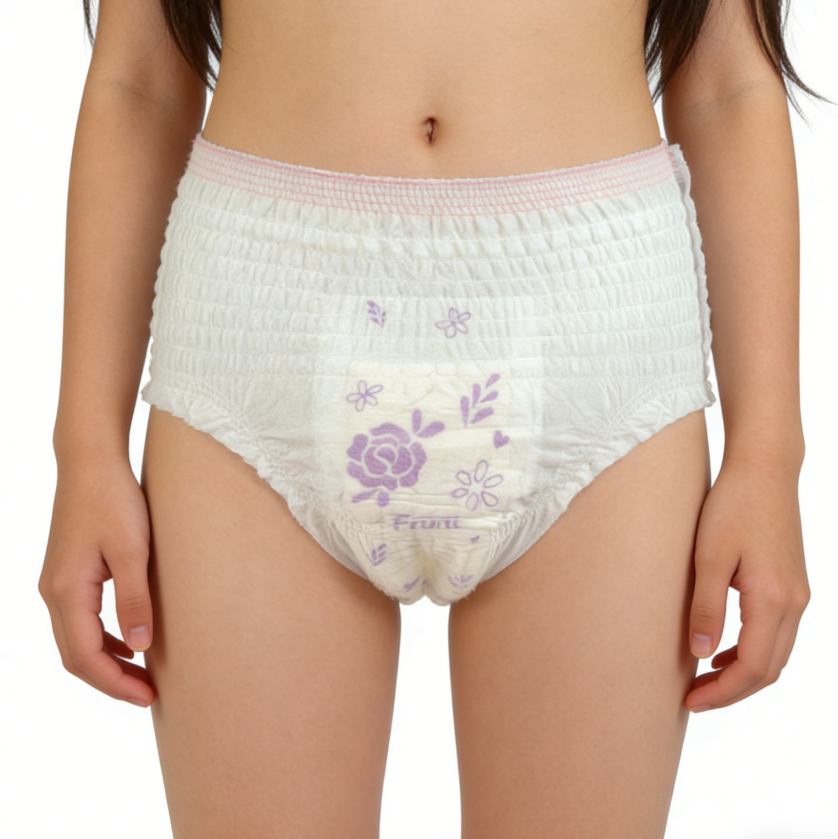
For entrepreneurs and brand owners, this shift represents more than just a passing trend—it is a generational transition in consumer behavior. According to the latest market intelligence, the period underwear sector is experiencing an unprecedented Compound Annual Growth Rate (CAGR) of 17% to 21%. From a market valued at just under $200 million a few years ago, the global industry is now on track to exceed $700 million by 2033. This growth is driven by three primary catalysts: a massive global push for menstrual equity, the “forever chemicals” (PFAS) health crisis that shook consumer trust in legacy brands, and the mainstreaming of zero-waste lifestyles among Gen Z and Gen Alpha consumers.
If you are planning to launch a private label period underwear brand in 2026 using OEM (Original Equipment Manufacturer) manufacturing, the opportunities are vast. However, the market is more sophisticated than ever. Success requires a blend of technical textile knowledge, a deep understanding of your niche, and a manufacturing partner who can deliver consistent, high-performance quality. This guide provides a comprehensive, step-by-step roadmap to building a successful brand from the ground up, specifically tailored for the competitive landscape of 2026.
1. Introduction: Why 2026 is the Prime Year for Launch
The year 2026 marks a tipping point in the “Menstrual Equity” movement. Globally, governments are now providing subsidies for reusable products to combat “period poverty,” and consumers are actively seeking brands that align with their health and environmental values.
The Environmental and Health Imperative
Every year, billions of disposable pads and tampons end up in landfills, where they can take up to 500 years to decompose. In 2026, the average consumer is hyper-aware of this “plastic period” legacy and is actively looking for ways to reduce their personal footprint without sacrificing convenience. Simultaneously, the health conversation has shifted toward the “absorbent core” of our products. Following the landmark PFAS lawsuits in 2023 and 2024, which exposed the presence of harmful chemicals in several leading brands, consumers now demand third-party verification that their products are non-toxic, PFAS-free, and skin-safe. Period underwear is the perfect solution—it is reusable, cost-effective over its lifespan (saving a user an average of $300 per year), and, when manufactured correctly by a partner like Green Gardener, completely safe for the body.
A Growing Global Market
The $700 million projected market is just the beginning. As technology allows for thinner, more absorbent gussets, period underwear is beginning to replace daily liners and even light incontinence products. By entering the market now, you are positioning your brand at the forefront of a textile revolution that is redefining “period care” as “period comfort.”
2. Step 1: Research & Define Your Niche
In 2026, the “generalist” period brand is dead. To compete with established players, you must find an underserved segment and serve them better than anyone else.
High-Growth Audience Segments
- The Gen Alpha “First Period” Segment: This is a massive opportunity. Parents are looking for products that take the fear, shame, and “leak-anxiety” out of a first period. These products need to be school-friendly, discreet, and aesthetically aligned with youth fashion. Think vibrant colors, playful patterns, and ultra-reliable protection for physical education and extracurricular sports.
- The High-Performance Athlete: Athletes need period-proof gear that stays in place during high-impact movements like running, cross-fit, or gymnastics. This requires specialized “stay-put” elastics, moisture-wicking outer shells, and ultra-thin gussets that don’t chafe or feel like a diaper.
- The Postpartum and Pelvic Health Market: Women recovering from childbirth or dealing with stress incontinence need products that offer both high-capacity absorbency and gentle compression. This is a high-loyalty segment that values comfort and functionality above all else. They are looking for “fourth trimester” support that feels like luxury, not a medical device.
- The Plus-Size and Inclusive Community: This remains one of the most underserved segments in the industry. Most brands stop at 2XL, leaving a huge portion of the population with limited options. In 2026, a brand that offers a range from 3XS to 7XL with specifically engineered (not just scaled-up) patterns and reinforced gussets will win massive market share and brand loyalty.
The 2026 “Must-Have”: PFAS-Free Verification
You cannot build a reputable brand in 2026 without addressing the PFAS (per- and polyfluoroalkyl substances) issue. These “forever chemicals” were historically used for moisture-wicking and water-resistance, but their link to endocrine disruption and environmental persistence is now well-documented. Your core differentiator must be your commitment to non-toxic materials. Ensure your OEM manufacturer uses TPU (Thermoplastic Polyurethane) heat-bonding instead of chemical sprays. Transparency is your greatest marketing asset; publish your lab results directly on your product pages.
Sustainability as a Foundation
Sustainability is no longer a “feature”—it is the baseline. Your brand should consider the entire lifecycle of the product, from the GOTS-certified organic cotton fields to the biodegradable mailers used for shipping. Consumers are looking for “Circular Fashion”—can the product be recycled at the end of its life? Brands that offer a “take-back” program or use 100% biodegradable materials will have a significant edge in 2026.
3. Step 2: Develop Your Product Line & Technical Specs
Period underwear is a technical garment. It is “engineering you can wear.” Understanding the science of the “Gusset” is critical for communicating value to your customers and ensuring they have a leak-free experience.
The Anatomy of a 2026 Period-Proof Gusset: A 4-Layer System
A high-performance pair of period underwear relies on a sophisticated 4-layer system, each designed for a specific function:
- Top Layer (Moisture-Wicking): This layer sits against the skin. It must be ultra-soft and capable of pulling liquid away from the body in seconds. In 2026, we see a trend toward “Chitosan” (derived from crab shells) or permanent silver-ion treatments that provide natural anti-microbial protection and odor control. The goal is “Insta-Dry” technology.
- Middle Layer (Absorbent Core): This is the engine of the product. Using specialized high-density microfiber or bamboo terry, this layer can hold up to 5 tampons’ worth of liquid without becoming bulky. Modern core design often features “multi-zone” absorbency—thicker in the center and thinner at the edges to prevent “side-leaks.”
- Third Layer (Leak-Proof Barrier): A breathable TPU membrane that prevents liquid from seeping through while allowing air to circulate. This “microporous” technology is crucial for preventing odor and moisture buildup, which can lead to skin irritation.
- Outer Layer (Body Fabric): This provides the structure and aesthetic. Popular choices for 2026 include Bamboo Viscose (soft and cooling), Organic Cotton (breathable and natural), Modal (silky and luxurious), and Recycled Nylon (stretchy and durable for activewear).
Recommended Initial Style Range
Don’t launch with 20 styles. Start with 3 to 4 core designs that cover the most common needs:
- The Classic Bikini: The “everyday” pair for light-to-moderate flow.
- The High-Waist Sleep Brief: Features an extended gusset that goes all the way to the back waistband for 360-degree protection while sleeping or lounging.
- The Seamless Hipster: Laser-cut edges make this invisible under tight leggings or gym gear—a must-have for the 2026 active consumer.
- The Teen Brief: Designed with a narrower gusset and younger proportions to fit developing bodies comfortably.
Size Inclusivity (XS-3XL Minimum)
In 2026, inclusivity is non-negotiable. Your brand should aim for a minimum range of XS to 3XL, with plans to expand to 7XL as you scale. This is not just a moral choice; it is a smart business move that opens up 40% more of the total addressable market.
4. Step 3: Find a Reliable OEM Manufacturer
The most critical decision you will make is choosing your manufacturing partner. In 2026, Quanzhou, Fujian, China remains the world’s premier destination for high-tech hygiene manufacturing. This region offers a unique ecosystem of raw material suppliers, technical engineers, and specialized factories like Green Gardener.
What to Look for in a Manufacturer
- Specialization: Do they specialize in period underwear, or are they just a general garment factory? The bonding technology required for period-proof layers is highly specialized and requires specific machinery that standard apparel factories lack.
- Certifications: Your factory MUST be OEKO-TEX Standard 100 certified. This ensures that every thread, button, and dye used is free from harmful substances. Additionally, look for BSCI (social compliance), GOTS (if using organic cotton), and ISO 9001 (quality management).
- Internal Testing Facilities: A professional factory should have its own lab to test absorbency rates, “pressure leaks” (simulating the pressure of sitting down), and wash-durability. Ask to see their latest testing logs.
- MOQ Flexibility: For a startup, cash flow is vital. Look for partners who offer low MOQs (Minimum Order Quantities) starting at 500-1,000 units to help you test the market without massive upfront risk.
Pre-Production Audit Checklist
- Verify their PFAS-free testing reports from a third-party lab like SGS.
- Request a “Wash-Test Report” showing the product retains its absorbency after 50+ industrial washes.
- Ask about their “Sampling Lead Time”—a professional partner should deliver custom samples within 7-10 days.
- Inquire about their “Defect Rate”—anything above 1% is a red flag in 2026.
5. Step 4: Branding, Packaging & Customer Experience
Your brand story is what allows you to charge a premium in a crowded market. It’s not just about the product; it’s about the feeling of freedom and security you provide.
Sustainable Packaging Design
In 2026, plastic packaging is a major deterrent for eco-conscious buyers. Consider:
- FSC-Certified Paper Boxes: Minimalist, recyclable, and premium-feeling. Use natural soy-based inks for printing.
- Reusable Laundry Bags: Including a small mesh bag for washing not only adds value but also helps the product last longer by protecting it from snagging in the machine.
- Biodegradable Mailers: Ensure your shipping bags are compostable and clearly labeled as such.
The Multi-Pack Strategy: The “Cycle Set”
Most users need 5 to 7 pairs for a full menstrual cycle. Your pricing strategy should reflect this “set” mentality.
- The “Cycle Starter” (3-Pack): A discounted set for those trying the brand for the first time.
- The “Full Week” (7-Pack): The most profitable SKU for your brand and the best value for the customer. In 2026, bundle these with a “free” wet-bag for carrying used pairs on the go.
Customer Support for Intimate Apparel
Since period underwear is an intimate product, your return policy must be unique and empathetic.
- The “First Pair Guarantee”: Offer a “100% Satisfaction Guarantee” on the first pair. If it doesn’t fit or work, the customer keeps it (to avoid the hygiene issues of returns), and the brand sends a different size or issues a full refund. This drastically lowers the barrier to purchase and builds instant trust.
- Sizing Support: Provide an ultra-detailed sizing guide with “real-person” measurements and video tutorials on how to measure correctly. 40% of returns in this category are due to sizing issues.
6. Step 5: Compliance, Regulations & Certifications
The regulatory path for period underwear is much simpler than for tampons or cups, but it still requires diligence to avoid legal pitfalls.
Key Certifications for 2026:
- OEKO-TEX Standard 100: The absolute gold standard for skin-safe textiles. It guarantees that the product is free from over 100 harmful substances.
- GOTS (Global Organic Textile Standard): Required if you claim your fabric is “organic.” This covers the entire supply chain from seed to stitch.
- EU REACH: Compliance with European chemical safety standards—essential if you plan to sell in the UK or EU.
- PFAS-Free Testing: Independent verification that the product contains less than 10ppm of total fluorine.
Is it a Medical Device?
Generally, period underwear is classified as a standard textile garment (Class I) in the US and EU. This means you do not need the expensive and time-consuming FDA or MDR medical device registrations required for tampons. This makes it an ideal entry point for new entrepreneurs in the hygiene space.
7. Step 6: Pricing, Costs & Profit Margins
To build a sustainable business, your margins must be healthy enough to cover marketing costs, shipping, and future product development.
Landed Cost Breakdown (Estimated for 2026)
| Item | Cost Per Unit (USD) | Notes |
|---|---|---|
| Manufacturing (FOB China) | $3.50 – $8.00 | Depends on style, fabric, and absorbency. |
| Sustainable Packaging | $0.60 – $1.50 | FSC-certified box or reusable pouch. |
| Shipping & Logistics | $1.20 – $2.50 | Varies by weight, volume, and shipping speed. |
| Import Duties/Taxes | $0.50 – $1.20 | Varies by country (US ~10-15%). |
| Total Landed Cost | $5.80 – $13.20 | Your baseline cost for a premium pair. |
Retail Pricing Strategy
- MSRP (Single Pair): $25.00 – $45.00.
- Gross Margin Target: 65% – 75%.
- Subscription Model: Offering a “Refresh Your Drawer” subscription (one new pair every 6 months at 15% off) is a great way to build predictable recurring revenue and long-term customer relationships.
8. Step 7: Launch, Sell & Market
In 2026, the traditional marketing funnel has been replaced by social commerce and community-led growth.
Sales Channels
- DTC (Direct-to-Consumer) via Shopify: This is your brand home. It allows you to control the data, the story, and the customer experience entirely.
- Amazon: Essential for volume and discoverability. Use Amazon FBA for fast Prime shipping, which is a key driver for 2026 purchases.
- TikTok Shop: The powerhouse of social commerce in 2026. Use live-stream shopping events and short-form educational videos to demonstrate absorbency and build trust through transparency.
The 90-Day Launch Roadmap
| Phase | Focus | Key Actions |
|---|---|---|
| Day 1-30 | Teasing & Community | Launch “Coming Soon” landing page, recruit 20 “Founding Brand Ambassadors” for testing, build waitlist. |
| Day 31-60 | Education & Hype | Start TikTok/Reels content (The “Blue Liquid Test”), reveal the “Non-Toxic/PFAS-Free” mission, open early-access pre-orders. |
| Day 61-90 | The Big Launch | Go live on Shopify and Amazon, launch TikTok Shop affiliate program, host “Live Launch Event” on Instagram. |
9. Step 8: Scale & Expand Your Brand
Once your core line of underwear is successful, look for ways to increase your “share of wallet” and brand authority.
Category Expansion
- Period Swimwear: One of the fastest-growing sub-categories in 2026. It allows users to swim confidently without internal protection, solving a massive pain point for teenagers and vacationers.
- Period Activewear: Integrated protection in high-performance leggings, bike shorts, and running shorts.
- Teen-Specific Line: Branding, sizing, and marketing specifically for the Gen Alpha market.
- Incontinence Support: Rebranding the same technology for light bladder leaks (SUI), a massive and growing demographic that values discretion.
International Growth
Expand into markets with strong sustainability values and high disposable income, such as the UK, Germany, and Australia. Your OEM partner should be able to handle international shipping and compliance for these regions.
10. Common Mistakes to Avoid: Lessons from the Last Decade
- Starting with Too Many SKUs: It is better to have 3 styles in 2 colors that sell out than 10 styles in 5 colors that sit in a warehouse. Focus on “The Core 3.”
- Ignoring Size Inclusivity: If you stop at XL, you are ignoring a huge portion of your potential market. In 2026, this is seen as “exclusive” in a negative way.
- Not Testing Samples Properly: Wear the samples yourself. Wash them 50 times in a commercial machine. Make sure they don’t leak, delaminate, or lose their shape before you place a bulk order.
- Choosing a Manufacturer on Price Alone: Cheap period underwear often uses low-quality TPU that becomes noisy (crinkly) or stops being leak-proof after a few washes. Quality is your best marketing strategy.
- Skipping PFAS Testing: One negative lab report from a consumer advocacy group can kill your brand’s reputation overnight. Don’t take “our word for it”—demand independent lab results.
11. Partner with Green Gardener: Your OEM Experts
At Green Gardener, we aren’t just manufacturers; we are your strategic partners in the feminine hygiene space. Based in the heart of the global manufacturing hub in Quanzhou, Fujian, we operate a 52,000㎡ state-of-the-art facility dedicated to OEM excellence and product innovation.
Why Global Brands Choose Us in 2026:
- Proven Capacity: Our 52,000㎡ factory is built to scale with you, from your first order to global distribution.
- Entrepreneur-Friendly MOQs: We believe in the next generation of brands. Start your journey with as few as 500 units.
- Fast R&D Turnaround: Our in-house design and engineering team can turn your sketches into high-quality, physical samples within 7 days.
- Certified Security: We are OEKO-TEX, ISO, and BSCI certified. Our “PFAS-Free” technology is independently verified and updated annually.
- End-to-End Solutions: From fabric sourcing and gusset engineering to custom packaging design and global logistics, your dedicated account manager handles it all, allowing you to focus on building your brand.
Take the First Step Toward Your Own Brand
The market is growing, the technology is ready, and the consumers are waiting. Let’s build your period underwear brand together.
- Visit Our Website: https://tamponmanufacturer.com
- Direct Email: [email protected]
- Inquiry Form: Contact Our OEM Team
Green Gardener: Innovation, Sustainability, and Menstrual Equity.