
Quick answer: Importing tampons from China comes down to five steps — choose a verified factory, confirm the product spec and compliance for your market, approve samples and a trial order, agree Incoterms and payment terms, then plan shipping and customs. Because tampons are regulated as medical devices in the US (FDA Class II) and as regulated products in many other markets, the compliance and documentation side matters as much as price. Start by sending your target market, product format, absorbency and estimated volume so a factory can map feasibility, MOQ and lead time to your project.
Introduction
China has become one of the world’s leading manufacturing hubs for feminine hygiene products, including tampons. Many international brands, distributors, and retailers choose to import tampons from China due to competitive pricing, advanced manufacturing technology, and large production capacity.
However, importing tampons requires understanding supplier selection, product quality standards, packaging requirements, and international shipping procedures.
In this guide, we explain the key steps companies should follow when importing tampons from China.
Step 1: Find a Reliable Tampon Manufacturer
The first step is identifying a trustworthy tampon manufacturer.
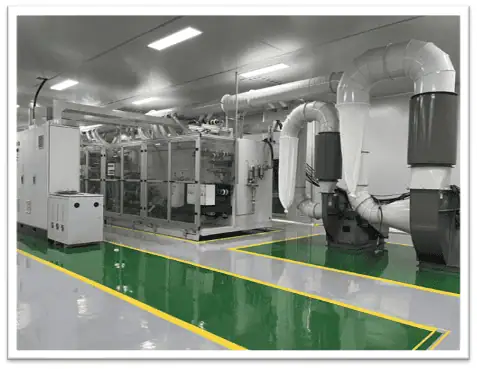
A reliable supplier should have:
- experience in feminine hygiene product manufacturing
- stable production capacity
- strict quality control systems
- export experience to international markets
Many companies also look for manufacturers that provide private label production, allowing them to create branded tampon products.
Step 2: Verify Product Materials and Specifications
Before placing an order, buyers should confirm product specifications.
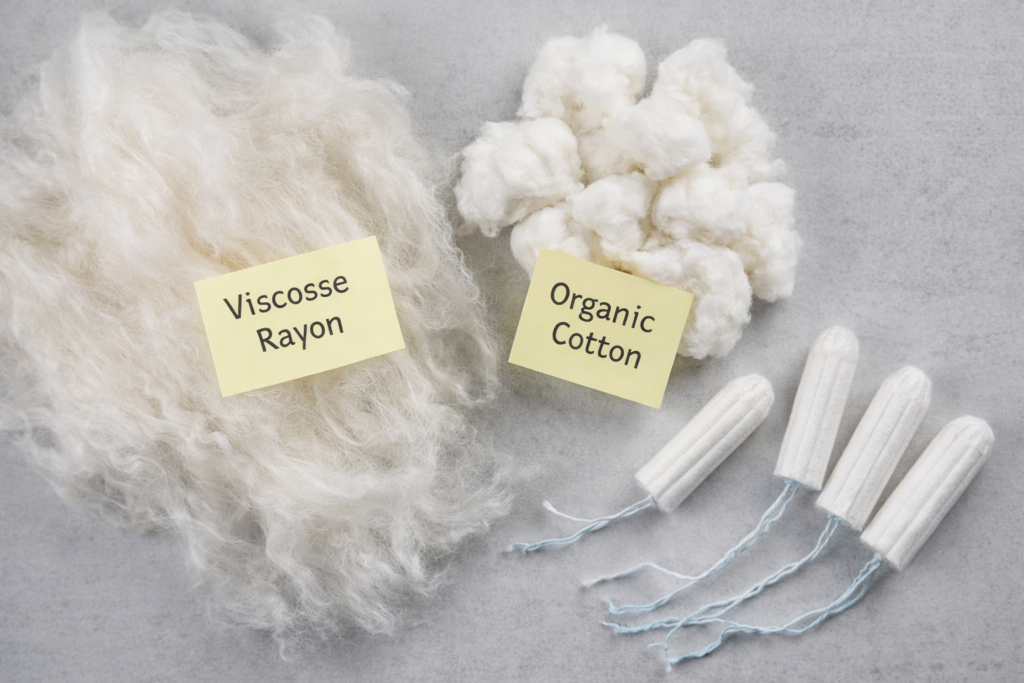
Key factors include:
- material type (viscose rayon, cotton, organic cotton)
- absorbency level (Regular, Super, Super Plus)
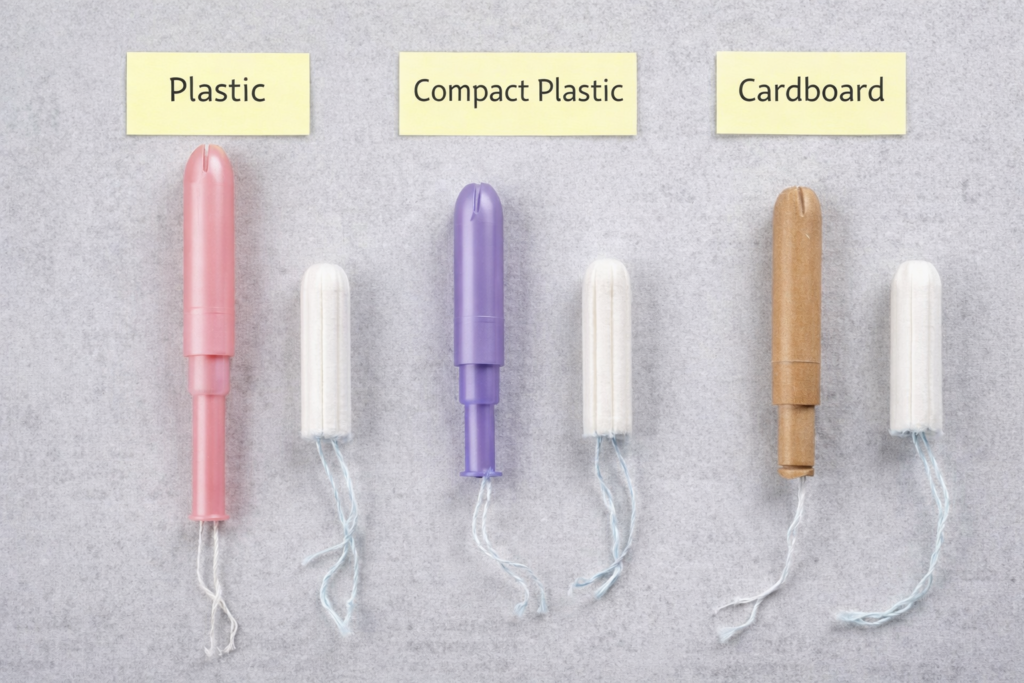
- applicator type (plastic, compact, cardboard)
- packaging format
These specifications affect both product performance and manufacturing cost.
Step 3: Review Quality Control Standards
Because tampons are hygiene products, quality control is essential.
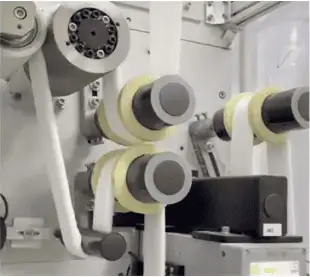
Professional tampon manufacturers typically implement strict quality checks such as:
- raw material inspection
- absorbency testing
- string strength testing
- hygiene and microbiological testing
Buyers should request product testing information to ensure the products meet safety requirements.
Step 4: Confirm Packaging and Private Label Options
For companies launching their own brand, packaging customization is important.
Many Chinese tampon manufacturers provide private label services including:
- custom retail packaging
- branded product labeling
- customized carton packaging
- logo printing
These services allow companies to develop their own branded tampon products for their markets.
Step 5: Understand Minimum Order Quantity (MOQ)
Most manufacturers require a minimum order quantity (MOQ) for production.
MOQ depends on several factors:
- product type
- packaging requirements
- customization level
Larger orders usually allow manufacturers to offer more competitive pricing.
Step 6: Arrange Shipping and Logistics
After production is completed, the next step is international shipping.
Common shipping methods include:
- sea freight
- air freight
Sea freight is usually more economical for large orders, while air freight may be used for urgent shipments.
Manufacturers often assist buyers with export documentation and logistics coordination.
Step 7: Prepare Import Documentation
Importing tampons requires certain documents for customs clearance.
Typical documents include:
- commercial invoice
- packing list
- certificate of origin
- shipping documents
Depending on the destination country, additional documentation may be required.
Advantages of Importing Tampons from China
Importing tampons from China offers several advantages.
These include:
- competitive production costs
- large-scale manufacturing capacity
- advanced production equipment
- flexible private label services
Because of these benefits, many global brands and distributors rely on Chinese manufacturers for tampon production.
Conclusion
Importing tampons from China can be an effective strategy for companies looking to launch or expand feminine hygiene product lines.
By choosing a reliable manufacturer, verifying product specifications, and understanding logistics procedures, businesses can ensure a smooth and successful importing process.
Working with experienced tampon manufacturers also allows companies to develop customized private label products while maintaining high quality and competitive pricing.
Related sourcing guides
- How to request a tampon manufacturing quote (RFQ guide)
- MOQ & pricing in tampon manufacturing
- Tampon supplier checklist: 7 critical factors for importers
- FDA requirements for importing tampons to the US
Ready to import from a factory-direct supplier?
Send your target market, product format, absorbency and estimated volume, and we will respond with feasibility-based pricing, MOQ and lead-time guidance, and the documentation your destination market requires.