
Tampon production safety standards are a critical part of manufacturing credibility. Because tampons are intimate hygiene products used inside the body, the tolerance for quality failure is extremely low. Safety must be built into the full production system, from raw materials and equipment hygiene to testing, labeling, documentation, and batch traceability.
For this reason, a professional tampon manufacturer does not treat safety as a marketing claim. It treats safety as a factory discipline supported by process control and compliance systems.
Why Safety Standards Matter
In tampon manufacturing, safety standards matter because they protect:
- consumer health
- product reliability
- legal market access
- brand reputation
- supply-chain stability
Without strong safety standards, factories may face defects, complaints, recalls, rejected shipments, or compliance barriers in regulated markets.
1. Raw Material Safety Control
The safety system begins before production starts. Raw materials must be reviewed for suitability, cleanliness, and traceability.
This includes control over:
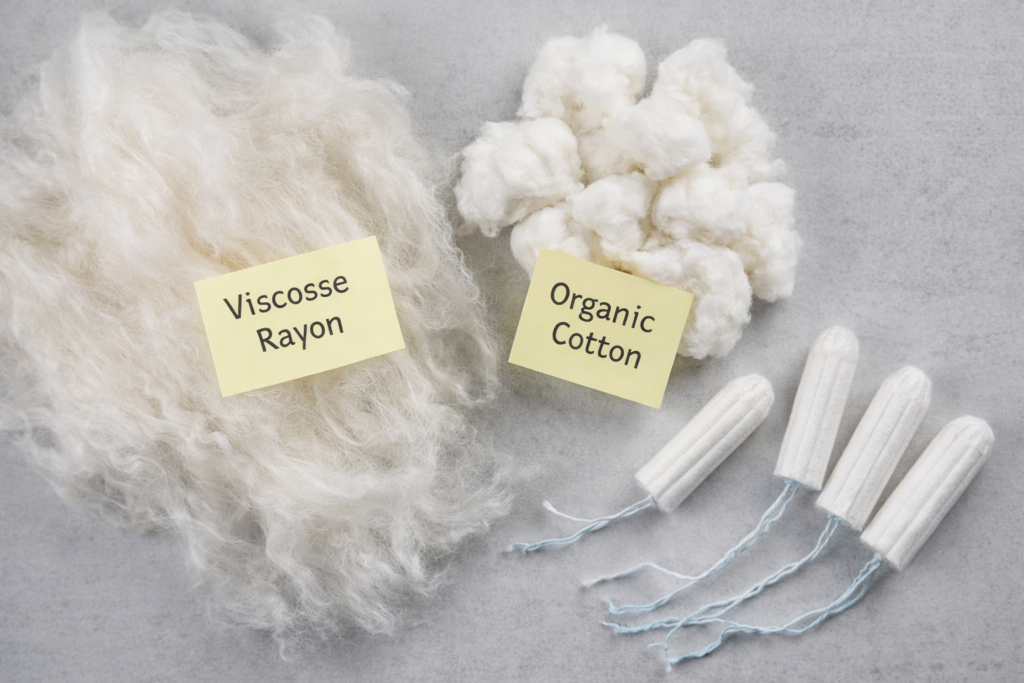
- fiber sourcing
- material documentation
- incoming inspection
- storage conditions
- lot identification
A factory that cannot explain upstream material control is unlikely to have a strong downstream safety system.
2. Hygiene and Clean Production Environment
Tampon production requires controlled hygiene conditions throughout manufacturing and packaging.
Key elements may include:
- clean production zones
- controlled air handling
- dust reduction systems
- sanitation procedures
- restricted product-contact areas
The goal is to minimize contamination risk while maintaining a stable production environment.
3. Process Safety During Manufacturing
Safety is also influenced by how the production line is controlled. Stable process settings help reduce physical defects and inconsistent performance.
Important process-related safety factors include:
- controlled core formation
- stable compression settings
- secure string attachment
- packaging integrity
- documented line checks
In modern factories, process safety is closely linked to both automation and operator discipline.
4. Product Testing and Verification
Professional factories use testing to confirm that safety and performance requirements are being met.
Common testing areas include:
- absorbency verification
- microbiological control
- cord strength assessment
- physical integrity checks
- packaging and labeling review
Testing helps transform safety from a general claim into a documented manufacturing outcome.
5. Regulatory Safety Requirements
For export markets, factory safety standards must align with external regulatory expectations.
Depending on the market, this may involve:
- FDA-related requirements in the United States
- CE / MDR-related expectations in Europe
- market-specific labeling rules
- documentation for product registration or clearance
You can learn more in our article on FDA and CE requirements for tampon manufacturing.
6. Traceability and Batch Documentation
A strong safety system requires traceability. If a quality issue appears, the factory must be able to identify the batch, production conditions, and material records associated with that product.
Traceability supports:
- faster root cause analysis
- better recall readiness
- clearer compliance records
- stronger buyer confidence
For OEM and private label projects, traceability is especially important because responsibility is shared across the manufacturing and brand sides.
7. Staff Training and Quality Culture
Safety standards are not maintained by documents alone. They also depend on trained people and disciplined execution.
Factories need staff who understand:
- hygiene procedures
- process control requirements
- inspection standards
- documentation rules
- escalation procedures when problems occur
A real safety culture is visible in daily operations, not just in certificates.
What Buyers Should Check
If you are selecting a supplier, ask the following:
- What safety tests are performed on tampon products?
- How do you control hygiene in production and packaging areas?
- What standards or certifications support your factory system?
- How is batch traceability managed?
- How do you handle deviations, complaints, or corrective actions?
These questions help determine whether the factory has real safety discipline or only sales language.
Final Thoughts
Tampon production safety standards are built from multiple layers: raw material control, clean manufacturing conditions, process discipline, product testing, compliance readiness, and traceable documentation. Together, these elements protect both the end user and the brand behind the product.
For buyers, strong safety standards are one of the clearest signs of a reliable tampon manufacturer. To discuss quality systems, export compliance, or OEM project requirements, contact our compliance team.