
Many brand owners view private label manufacturing as a black box: send a design, approve a sample, and wait for finished goods. In reality, tampon production is a technical process that requires coordination across materials, forming, compression, packaging, quality control, and export preparation. If buyers do not understand the manufacturing steps, they usually underestimate lead time, overlook risk points, and make weaker sourcing decisions.
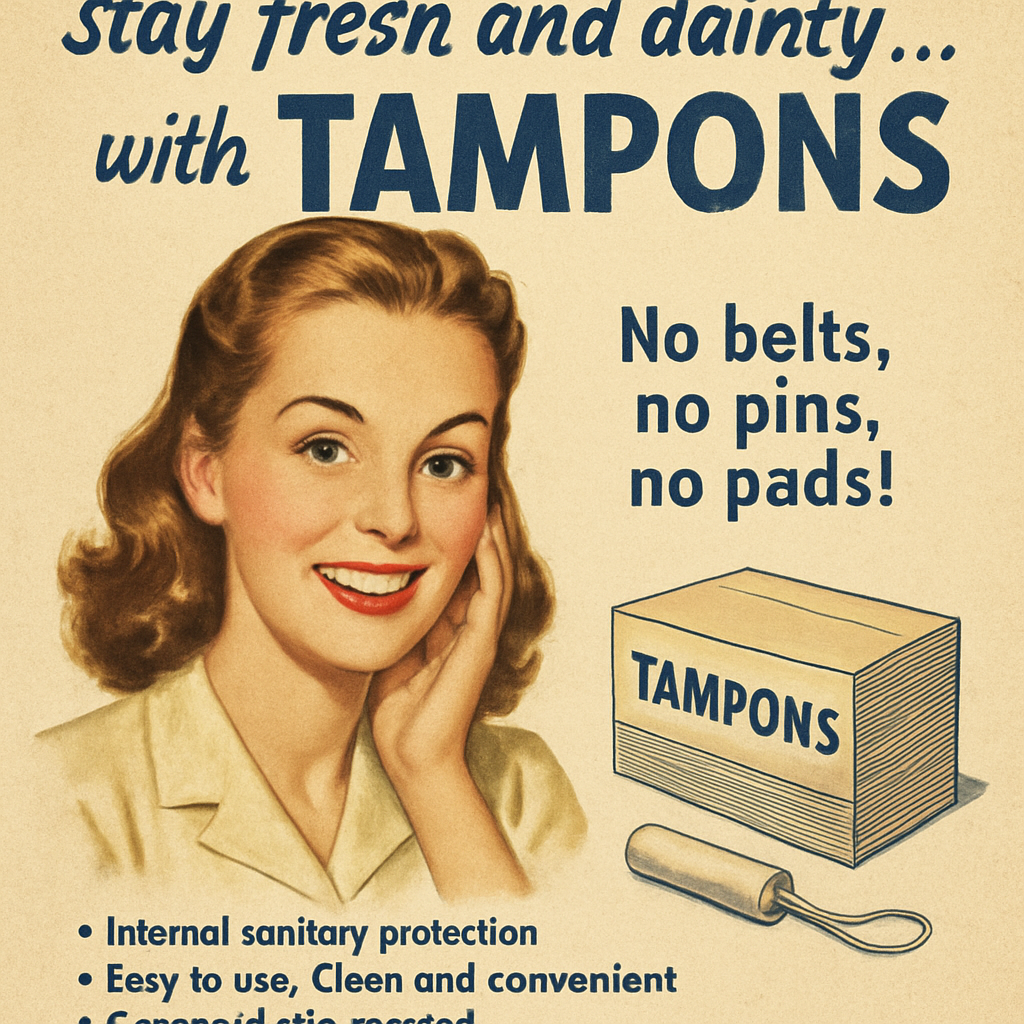
For OEM and private label projects, understanding the process is commercially useful. It helps buyers align product specifications, packaging plans, MOQ expectations, and launch timelines before mass production begins.
Step 1: Define Product Specifications Before Production Starts
A successful private label project begins long before the production line runs. The first stage is specification alignment between the brand and the factory.
Typical points to confirm include:
- tampon type and absorbency range
- applicator or non-applicator format
- material choice such as cotton, rayon, or blended fibers
- wrapper type and box format
- target market requirements
- labeling and artwork expectations
This step determines whether the project will move smoothly later. Weak specification alignment at the start usually creates rework during sampling, packaging approval, or compliance review.
Step 2: Material Sourcing and Verification
The process does not start with machines. It starts with raw materials. The factory must verify whether the selected fiber and component set can support the intended product positioning and performance target.
Depending on the project, this may include:
- organic cotton
- conventional cotton
- viscose rayon
- blended absorbent materials
- withdrawal cord components
- wrapper and packaging materials
For private label buyers, this is also the stage where the product story is shaped. A brand positioned around organic, value, premium comfort, or mass-market efficiency will often make different material choices. A reliable tampon manufacturer should be able to explain how those choices affect performance, cost, and MOQ.
Step 3: Core Forming and Compression Control
Core forming and compression are central to tampon performance. After the fibers are prepared, they are aligned, formed, and compressed into the required structure.
This stage requires precise process control because compression directly affects:
- absorbency consistency
- expansion behavior
- dimensional stability
- insertion comfort
- product repeatability across batches
If density control drifts, the final product may not perform as expected. This is why stronger factories use line monitoring and process checks rather than relying only on end-of-line inspection.
Step 4: Cord Attachment and Safety Checks
The withdrawal cord is a critical safety component. It is not enough to attach it visually. The factory needs a stable method for inserting and anchoring the cord into the core.
Buyers should ask how the supplier controls:
- cord insertion depth
- attachment consistency
- pull-strength testing
- defect handling if a batch falls outside the standard
This is a good example of why private label buyers need process visibility. Small unseen weaknesses in assembly can create major customer complaints later.
Step 5: Wrapping and Primary Packaging
Once the tampon body is formed, the product moves into wrapping and primary packaging. At this stage, hygiene control and sealing quality become especially important.
The factory should be able to manage:
- wrapper material suitability
- seal consistency
- clean handling conditions
- packaging line coordination
- product identification and lot coding if required
For brands using customized presentation, this step also needs to align with marketing goals without creating avoidable packaging complexity.
Step 6: Secondary Packaging and Artwork Execution
For many private label projects, the packaging stage is where timelines begin to expand. Box printing, insert materials, language versions, absorbency charts, shipping marks, and export carton details all need to be coordinated accurately.
At this stage, buyers should confirm:
- Final artwork approval flow
- packaging structure
- SKU configuration
- barcode placement
- shipping carton requirements
- destination-market labeling details
If you want more details on commercial planning, see our guide to MOQ and pricing.
Step 7: Quality Control and Batch Review
Before goods move to shipment, the factory should perform a final review against the agreed product and packaging standard. This is where the project shifts from production execution to shipment readiness.
The batch review process may include:
- raw material record checks
- in-process inspection records
- finished product appearance checks
- packaging accuracy review
- lot traceability confirmation
- shipment document preparation support
A private label project is only as strong as the consistency of this final review stage. Buyers should not assume that product quality alone is enough if packaging, documentation, or traceability are incomplete.
Step 8: Compliance Coordination and Export Preparation
For export projects, manufacturing is only part of the job. The factory also needs to support documentation, packaging execution, and shipment readiness for the destination market.
Depending on the project, buyers may need support with:
- Product specifications: Understand how private label tampon manufacturing works from material selection and compression control to packaging, quality checks, and export preparation.
- QC records
- traceability documentation
- packaging review support
- export packing lists and invoices
- market-specific documentation requests
The exact requirements depend on the destination market, but the key point is simple: a private label tampon project is both a manufacturing process and an export coordination process. Buyers looking for broader project support can review our OEM / private label manufacturing page.
Common Bottlenecks in Private Label Projects
Most project delays happen in a few predictable areas:
- incomplete product specifications
- Repeated artwork changes
- unrealistic MOQ expectations
- late compliance questions
- unclear approval responsibility between the buyer and the factory
- packaging revisions after sample approval
Understanding these bottlenecks helps buyers plan more realistic launch schedules and reduce costly back-and-forth.
What Buyers Should Confirm Before Mass Production
Before giving final production approval, buyers should confirm:
- product specification sign-off
- sample approval status
- packaging artwork approval
- MOQ and lead-time confirmation
- QC and traceability expectations
- documentation scope
- shipping plan and destination requirements
This checklist reduces the chance of moving into production with unresolved commercial or technical issues.
Final Thoughts
Private label tampon manufacturing is not just a factory service. It is a coordinated process involving product design decisions, material control, production discipline, packaging execution, and export readiness. Buyers who understand the workflow are better prepared to manage timelines, compare suppliers, and reduce launch risk.
If you are planning an OEM or private label tampon project, work with a factory that can explain the process clearly and support both technical and commercial execution. You can review our MOQ and pricing guide or contact our factory to discuss your project.
Planning a private label tampon project?
Talk to our team about product structure, MOQ, packaging, lead time, and OEM production support. For project discussions, contact our factory.
FAQ Section
What is the first step in a private label tampon manufacturing project?
The first step is specification alignment. Buyers and the factory should confirm product type, absorbency, materials, packaging format, target market, and labeling requirements before sampling or mass production begins.
Why do private label tampon projects often take longer than expected?
Most delays come from packaging revisions, incomplete specifications, unrealistic MOQ expectations, or late-stage compliance questions. The more clearly the project is defined early, the smoother the production and launch will be.
What factors affect the MOQ in private-label tampon manufacturing?
MOQ is usually influenced by product format, packaging complexity, number of SKUs, material choice, customization level, and destination-market requirements.
Why should buyers understand the manufacturing process before placing an order?
Understanding the process helps buyers compare suppliers more effectively, set realistic timelines, reduce quality risk, and prevent delays caused by weak planning or incomplete approvals.