
Introduction
Tampons are classified as personal hygiene products and must comply with specific packaging and labeling regulations in many international markets. Proper packaging is not only important for product protection but also required for regulatory compliance.
For brands and distributors importing tampon products, understanding packaging regulations is essential to ensure smooth customs clearance and legal market entry.
In this article, we explain the key tampon packaging and labeling requirements commonly required in international markets.
Why Packaging Regulations Matter
Packaging regulations help ensure that feminine hygiene products are safe, hygienic, and clearly labeled for consumers.
Regulatory authorities require packaging standards to ensure:
- product safety
- clear usage instructions
- ingredient transparency
- traceability of the manufacturer
Failure to comply with these requirements may result in shipment delays or restrictions in certain markets.
Essential Information on Tampon Packaging
Most countries require specific product information to appear on tampon packaging.
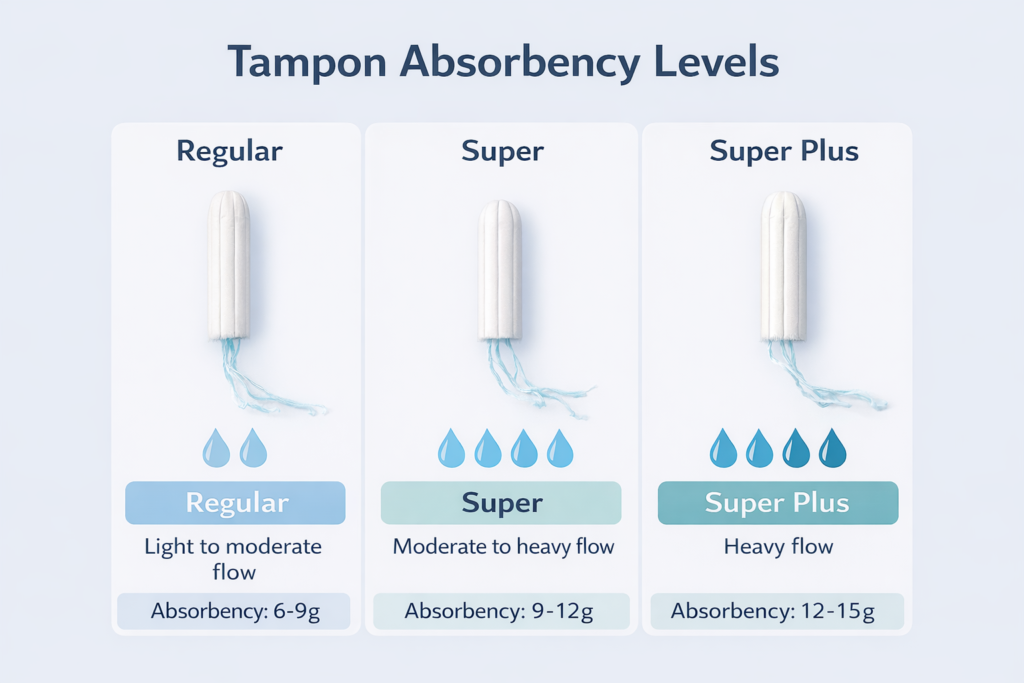
Common labeling requirements include:
- product name
- absorbency level (Regular, Super, Super Plus)
- material composition (cotton, viscose, or blends)
- usage instructions
- manufacturer or distributor information
- production batch number
These details help consumers understand the product and allow regulators to trace the origin of the goods.
Hygiene and Safety Instructions
Because tampons are internal-use hygiene products, many markets require safety instructions on packaging.
Typical instructions include:
- how to use the tampon
- recommended replacement intervals
- general safety guidance
Providing clear usage instructions helps ensure safe consumer use.
Language Requirements for International Markets
Packaging regulations often require product information to be printed in the official language of the destination country.
For example:
- English for the United States
- multiple EU languages for European markets
- local language labeling in many countries
Importers should ensure that product packaging meets local language requirements before shipping products internationally.
Packaging for Product Protection
Tampon packaging must also protect the product from contamination and damage.
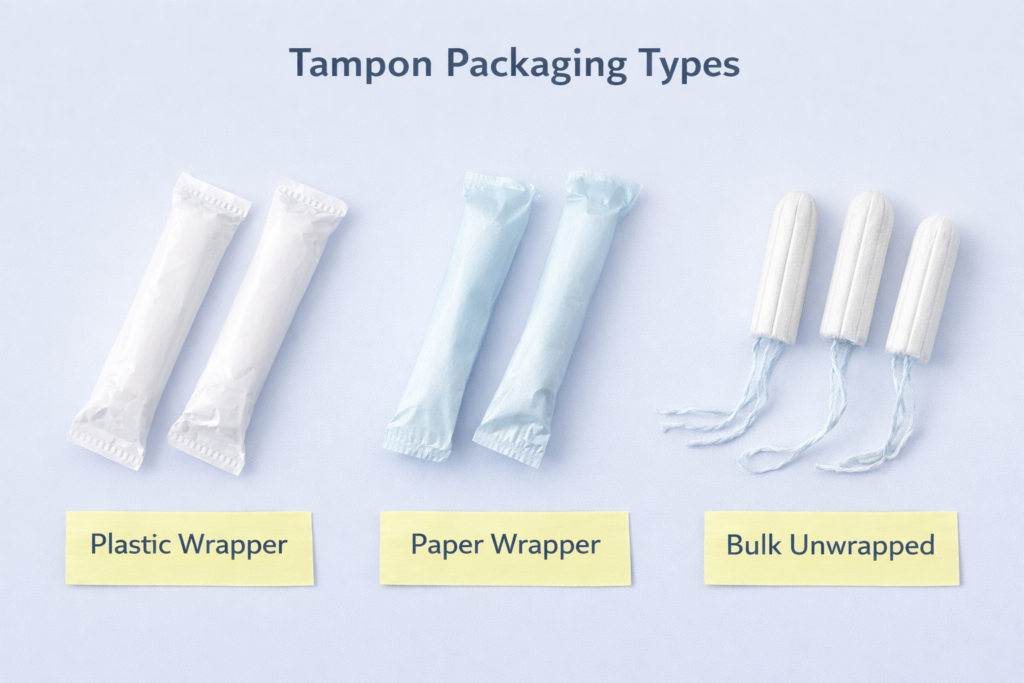
Typical packaging structure includes:
- individual tampon wrappers
- sealed retail boxes
- outer shipping cartons
This multi-layer packaging helps maintain hygiene and product quality throughout the supply chain.
Traceability and Batch Identification
Many regulatory systems require batch identification for hygiene products.
Manufacturers usually include:
- production batch numbers
- manufacturing dates
- traceability codes
These elements allow manufacturers and regulators to track product batches if quality issues arise.
Private Label Tampon Packaging
Brands launching private label tampon products often customize packaging while ensuring regulatory compliance.
Private label packaging may include:
- branded retail boxes
- customized wrapper designs
- product information and instructions
- barcode labeling
Professional tampon manufacturers usually help clients design packaging that meets both branding and regulatory requirements.
Working with Experienced Tampon Manufacturers
An experienced tampon manufacturer can help brands and distributors navigate packaging regulations for different international markets.
Manufacturers typically assist with:
- packaging design guidance
- regulatory labeling information
- export documentation support
This helps ensure that products meet regulatory standards before entering global markets.
Conclusion
Tampon packaging regulations play an important role in ensuring product safety, hygiene, and transparency for consumers.
For brands and distributors involved in international trade, understanding labeling requirements, packaging standards, and traceability systems is essential for successful market entry.
Working with experienced tampon manufacturers can help ensure that packaging meets regulatory requirements while supporting brand development and product quality.