
Introduction
For companies planning to launch their own feminine hygiene brand, understanding the tampon manufacturing cost is an important step. The cost of producing tampons can vary depending on materials, absorbency levels, applicator types, packaging, and order quantity.
Many global brands work with professional tampon manufacturers to produce private label products. By partnering with an experienced manufacturer, companies can control production costs while ensuring product quality.
In this guide, we explain the main factors that influence tampon manufacturing cost and how private label brands can optimize their production budget.
1. Raw Material Costs
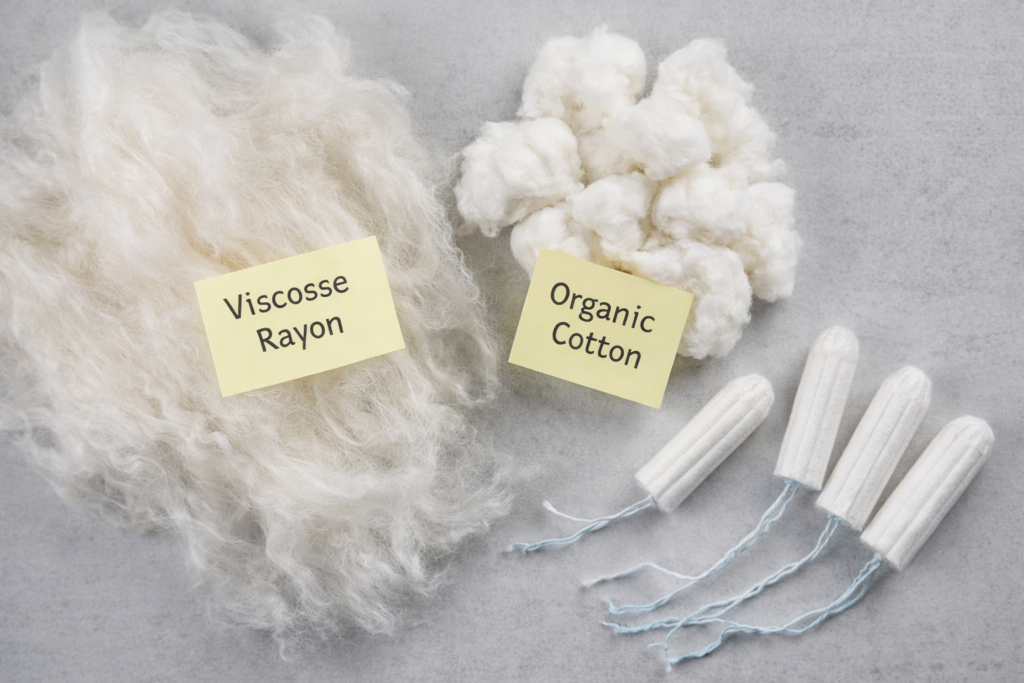
Raw materials are one of the most important factors affecting the tampon manufacturing cost.
Most tampons are made from highly absorbent fibers such as:
- Viscose rayon fibers
- Cotton fibers
- Organic cotton
Among these materials, organic cotton is typically more expensive because it requires certified organic farming and specialized processing.
Manufacturers may also use cotton-viscose blends to balance performance and production cost.
2. Absorbency Level
Different tampon absorbency levels require different fiber densities and weights.
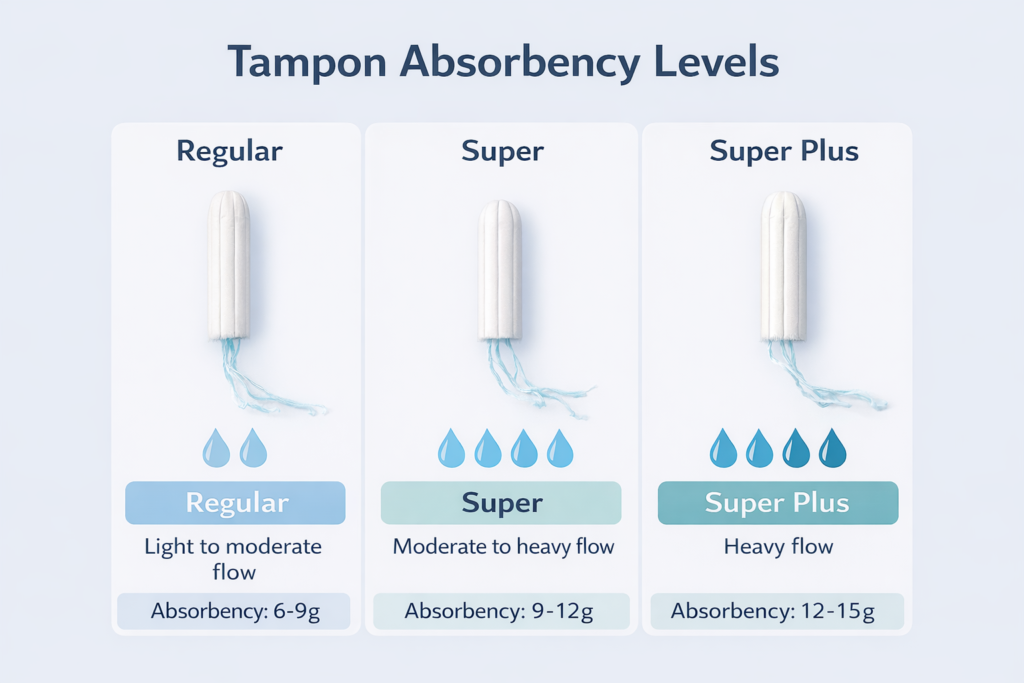
Common absorbency levels include:
| Absorbency Type | Typical Weight |
|---|---|
| Regular | 6–9 g |
| Super | 9–12 g |
| Super Plus | 12–15 g |
Higher absorbency tampons usually require more fiber material, which increases production cost slightly.
3. Applicator Type
Applicators can significantly affect the overall cost of a tampon product.
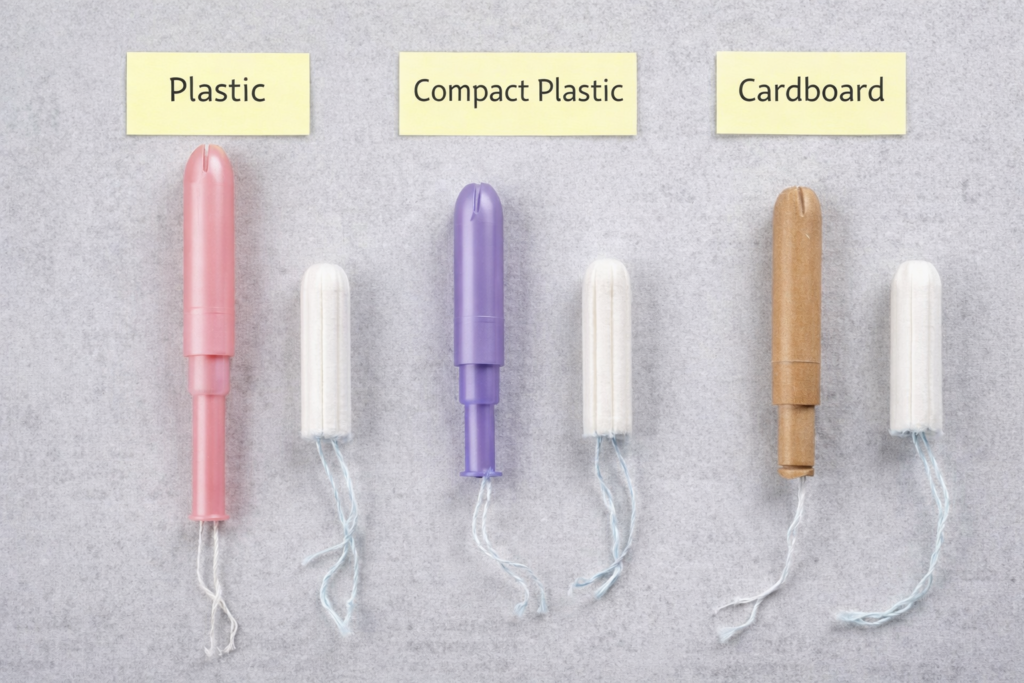
Common applicator types include:
- Plastic applicators
- Compact plastic applicators
- Cardboard applicators
- Non-applicator tampons
Plastic applicators generally increase the product cost due to additional material and manufacturing steps.
Cardboard applicators are usually a lower-cost alternative and are sometimes preferred by eco-friendly brands.
4. Packaging Design
Packaging also plays a role in manufacturing cost.
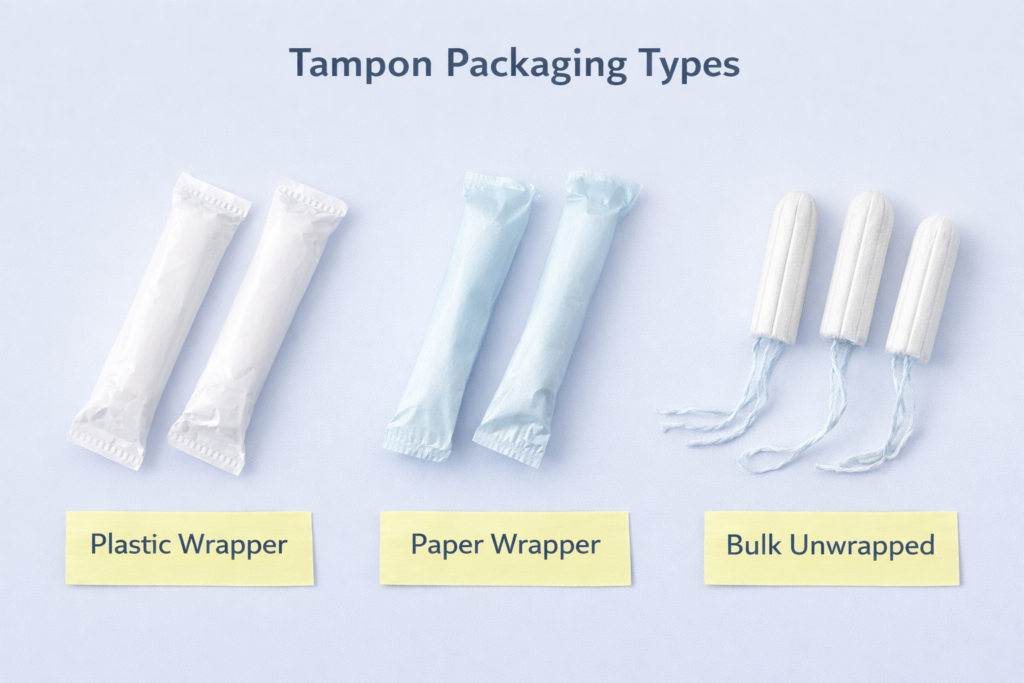
Private label tampon brands typically choose between several packaging options:
- Individual plastic wrappers
- Paper wrappers
- Retail box packaging
- Bulk packaging for distributors
Customized retail packaging and printed branding may increase the cost but help create a stronger brand identity in the market.
5. Order Quantity (MOQ)
Order quantity has a major impact on the final price.
Most tampon manufacturers set a minimum order quantity (MOQ) for private label production.
Larger orders usually result in lower unit costs because manufacturers can optimize production efficiency and material purchasing.
Small orders may have slightly higher per-unit costs due to setup and packaging preparation.
6. Manufacturing Technology and Automation
Modern tampon factories use automated production lines to produce large quantities efficiently.
Automation helps manufacturers:
- reduce labor costs
- maintain consistent quality
- increase production speed
Factories with advanced equipment can often provide competitive pricing while maintaining product quality.
7. Logistics and Shipping
For international buyers, shipping and logistics also contribute to the overall cost.
Factors that affect shipping cost include:
- shipping method (sea freight or air freight)
- destination country
- carton size and product weight
Many tampon manufacturers provide export support and shipping coordination to simplify international logistics.
Average Tampon Manufacturing Cost
Because production conditions vary, the tampon manufacturing cost can differ depending on the product specifications.
Factors that influence final pricing include:
- material type (viscose or organic cotton)
- applicator design
- packaging requirements
- order quantity
For this reason, most tampon manufacturers provide custom quotations based on product specifications and order volume.
Private Label Tampon Production
Private label manufacturing allows brands to launch their own tampon products without building their own factories.
Manufacturers typically offer services such as:
- custom tampon absorbency levels
- organic cotton product options
- applicator customization
- private label packaging
- large-scale production capacity
This allows brands and distributors to create high-quality feminine hygiene products while maintaining cost efficiency.
Conclusion
Tampon manufacturing cost depends on several factors, including raw materials, absorbency levels, applicator types, packaging design, and order quantity.
By working with an experienced tampon manufacturer, brands can balance product quality, customization options, and cost efficiency when developing private label tampon products.
Understanding these cost factors helps companies make informed decisions when planning their feminine hygiene product line.