
If you are reading this, you are likely an entrepreneur seeing the massive potential in the feminine hygiene market. You might be asking the exact question that brings thousands of visitors to our site every month:
“How much does it actually cost to make a tampon and launch a brand?”
At tamponmanufacturer.com, we believe in transparency. While many manufacturers keep pricing a secret until the final contract, we want to help you understand the financial landscape before you begin. Whether you are looking to create a premium organic cotton line or a cost-effective standard series, this guide will break down the startup costs involved in 2025.
1. The “Per Unit” Manufacturing Cost
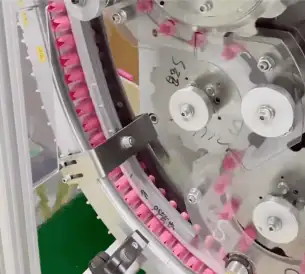
The cost to manufacture a single tampon isn’t a fixed number; it fluctuates based on three main variables: Materials, Applicator Type, and Volume.
A. Material Choices
- Standard Rayon/Cotton Blend: This is the most cost-effective option. It is the industry standard for mass-market brands.
- 100% Organic Cotton (GOTS Certified): Due to the premium sourcing of raw materials and certification requirements, organic tampons typically cost 20% to 40% more to manufacture than standard ones. However, they also command a much higher retail price (often double), offering you better profit margins.
B. Applicator Technology
- Plastic Applicators: The most popular choice for comfort. Compact plastic applicators involve complex molds, slightly increasing production costs but ensuring high consumer acceptance.
- Cardboard Applicators: The eco-friendly “budget” option. The raw material is cheaper, but assembly can sometimes be slower.
- Bio-Plastic / Sugarcane: The premium sustainable choice. These materials are significantly more expensive than standard plastic but are essential for brands targeting the “zero-waste” demographic without sacrificing comfort.
C. The Volume Factor (Economies of Scale)
This is the golden rule of manufacturing: The more you buy, the less you pay.
- Low Volume (Trial Order): Unit costs are higher because machine setup times are distributed over fewer units.
- High Volume (Container Load): Unit costs drop dramatically, maximizing your margin.
2. The “Hidden” Startup Costs You Must Budget For
Many startups calculate the unit price but forget the one-time setup fees. To be successful, you need to budget for these:
A. Packaging Cylinders & Plates ($)
If you want your own brand on the box and the individual wrapper, we need to create printing plates.
- Wrapper Cylinder Fees: To print your logo on the individual flow-pack wrapper.
- Box Printing Plates: For your custom-designed retail box.
- Note: These are usually one-time fees. You won’t pay them again for re-orders unless you change the design.
B. Custom Molds ($$)
If you want a custom-shaped applicator (e.g., a unique grip pattern or a specific color requiring a new masterbatch), this requires creating a new mold.
- Pro Tip: To save money, we recommend starting with our “Stock Applicator“ designs. They are high-quality, tested, and require zero mold investment from you.
C. Certification Support
Selling in the EU or USA? You may need specific documentation. While we provide standard quality certs, specific brand registrations (like FDA processing or CE representative fees) are administrative costs you should anticipate.
3. Minimum Order Quantity (MOQ): The Barrier to Entry
MOQ is often the biggest hurdle for new brands.
- Big Industry Standard: Most large factories demand an MOQ of 300,000+ units per SKU.
- Our Approach for Startups: We understand that you are just starting. We offer flexible MOQs for private label partners to help you test the market without tying up all your capital in inventory.
4. Buy a Machine vs. Partner with a Manufacturer?
We noticed a lot of searches for “Tampon manufacturing machine price.” Unless you have millions of dollars to invest in infrastructure, quality control labs, and raw material supply chains, buying a machine is not the right move for a startup.
By partnering with an established Private Label Manufacturer (OEM) like us, you get:
- Zero Capital Expenditure (CapEx) on machinery.
- Immediate expertise in FDA/ISO standards.
- Scalability—we can ramp up production as your sales grow.
5. Profitability: Is It Worth It?
Despite the costs, the margins in the feminine care industry are healthy.
- Estimated Cost of Goods (COGS): Low (cents per unit).
- Retail Price: Premium (dollars per box).
- Result: Even with a small initial run, brands can often achieve gross margins of 50-70% depending on their marketing strategy.
Ready to Get Your Exact Numbers?
Stop guessing and start planning. Every brand is unique, and we can provide a precise quote based on your specific needs (Organic vs. Standard, Box count, etc.).