
Introduction
The feminine care industry is rapidly evolving. Consumers today demand more than convenience—they want products that are safe, eco-friendly, and aligned with their values. Traditional plastic applicator tampons, while widely used, have become a growing environmental concern due to their non-biodegradable materials.
Cardboard applicator tampons are emerging as the sustainable alternative. With recyclable applicators and organic cotton cores, they not only protect women’s health but also reduce plastic pollution. This article explores why cardboard tampons are gaining traction, what benefits they offer, and how private label brands can leverage this trend in 2025 and beyond.
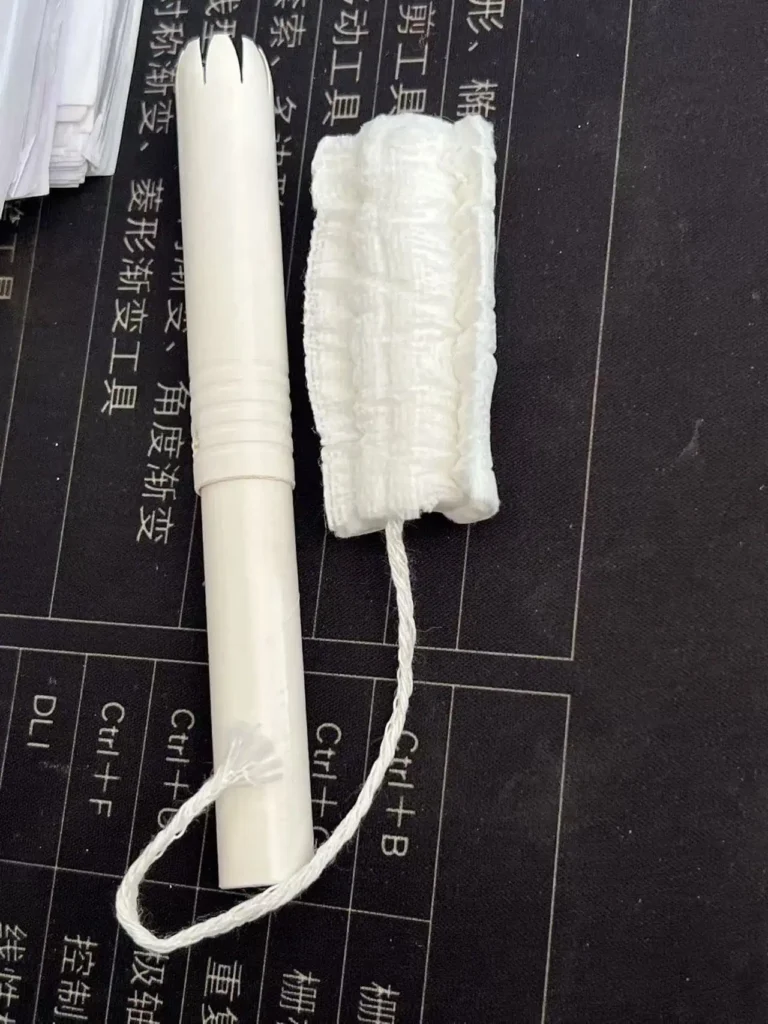
1. The Environmental Problem with Plastic Applicators
Every year, billions of plastic tampon applicators end up in landfills and oceans. These plastics can take hundreds of years to decompose, harming marine life and contributing to microplastic pollution.
Governments are beginning to take action:
- European Union: banning certain single-use plastics.
- U.S. states like California and New York: pushing for eco-friendly menstrual care products.
This regulatory pressure makes the transition to cardboard applicator tampons not just a choice, but a necessity for brands that want to stay competitive.
2. What Are Cardboard Applicator Tampons?
Cardboard tampons are made with:
- Organic cotton cores – GOTS-certified, pesticide-free, chemical-free.
- Cardboard applicators – biodegradable, recyclable, and designed for smooth insertion.
- Eco-friendly coatings – often water-based to ensure safety and comfort.
Unlike the outdated cardboard tampons of decades ago, modern designs are ergonomic, smoother, and just as effective as plastic applicators.
3. Key Benefits of Cardboard Applicator Tampons
3.1 Health & Safety
- Made from organic cotton, free from pesticides, dioxins, and chlorine.
- Hypoallergenic and suitable for sensitive users.
- Certified under FSC, GOTS, or similar eco-labels.
3.2 Comfort & User Experience
- Available in regular, super, and overnight absorbency.
- Smooth applicator tips minimize friction.
- Compact packaging makes them discreet and portable.
3.3 Sustainability & Eco-Friendly Impact
- Cardboard applicators decompose naturally in 6–12 months.
- Organic cotton cultivation reduces water and chemical use.
- Packaging can be made from 100% recyclable paperboard.
3.4 Brand Differentiation
- Eco-conscious positioning appeals to Millennial and Gen Z consumers.
- Opportunity for private label brands to stand out in a crowded market.
- Enhanced storytelling through packaging: “plastic-free, chemical-free, planet-friendly.”
4. Market Trends Driving Demand
4.1 Consumer Awareness
- 60%+ of women under 35 are willing to pay more for sustainable products.
- Menstrual product buyers actively research eco-friendly alternatives online.
4.2 Retail & E-Commerce Growth
- Online subscription services (like period box deliveries) increasingly feature cardboard tampons.
- Supermarkets in Europe and North America are expanding shelf space for sustainable menstrual products.
4.3 Competitive Landscape
- Major global brands have started introducing eco-friendly tampon lines.
- Niche DTC (direct-to-consumer) brands are growing rapidly by focusing on sustainability.
5. Why Private Label Brands Should Invest
Cardboard applicator tampons are not just a trend—they are becoming a strategic product category for private label and OEM brands. Benefits include:
- Faster market entry: Work with an OEM tampon manufacturer to customize absorbency, applicator type, and packaging.
- High margins: Eco-friendly products command premium pricing.
- Brand loyalty: Customers who care about sustainability are more likely to stick with brands that share their values.
6. How to Market Cardboard Tampons Effectively
6.1 Storytelling
Showcase the journey: organic cotton farming → recyclable cardboard applicators → eco-friendly packaging.
6.2 Digital Marketing
- Use SEO-rich product descriptions: organic cotton tampons, eco-friendly tampons, cardboard applicator tampons.
- Partner with influencers in the sustainability and wellness space.
- Create educational content on menstrual health and sustainability.
6.3 Packaging & Branding
- Highlight certifications (GOTS, FSC, FDA).
- Use earthy tones and natural design cues.
- Offer subscription services to boost customer retention.
7. The Future of Cardboard Tampons
Looking ahead:
- Innovation: Smarter absorbent cores (such as W-core designs), biodegradable wrappers, and organic dyes.
- Global expansion: Rising demand in Asia-Pacific, Latin America, and the Middle East.
- Full product ecosystems: Tampons + pads + menstrual cups in eco-friendly bundles.
Conclusion & Call to Action
Cardboard applicator tampons represent the future of sustainable feminine care—safe, eco-friendly, and aligned with modern consumer values. For private label brands, they are more than just a product—they are an opportunity to lead the market, strengthen customer loyalty, and scale globally.
👉 If you’re ready to launch your own line of organic cotton cardboard tampons, partner with a professional OEM manufacturer today. Build a sustainable feminine care brand that empowers women and protects the planet.