Tampons are a key part of modern feminine hygiene, playing an essential role in daily health and comfort. Beyond personal care, the tampon industry has shown strong growth potential in the global market. This article provides a comprehensive look at tampons—from their manufacturing process to OEM vs. ODM distinctions, and the global market trends for 2025 and beyond.
How Tampons Are Made
While tampons may seem simple, their production involves precise craftsmanship and strict quality control. The main steps include:
- Raw Material Preparation
High-quality cotton, absorbent fibers, and non-woven fabrics form the core of a tampon. Using premium materials ensures excellent absorption and comfort. - Absorbent Core Formation
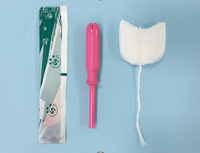
Absorbent materials are processed into the tampon core using rolling or folding techniques. This ensures stability during use while maximizing absorption efficiency. - Applicator or Sleeve Production
A protective cover or sleeve maintains the tampon’s shape and provides additional protection. Soft, hypoallergenic materials are preferred to avoid skin irritation. - String Installation
The string allows easy removal. Proper placement and secure attachment are critical for user safety and comfort. - Packaging
Tampons are individually packaged to maintain hygiene and portability. Quality control is integrated throughout production to ensure safety and reliability.
OEM vs. ODM: What’s the Difference?
When entering the tampon market, brands must choose between two common manufacturing models: OEM and ODM.
- OEM (Original Equipment Manufacturer)
The brand provides the design and specifications. The manufacturer produces the product and labels it under the brand’s name. Ideal for brands with clear designs but without manufacturing capabilities. - ODM (Original Design Manufacturer)
The manufacturer handles both design and production. Brands can use the manufacturer’s design directly. Perfect for companies looking to enter the market quickly with minimal R&D investment.
💡 Tip: Choose OEM for more design flexibility and control; choose ODM for faster time-to-market with less internal design effort.
Global Tampon Market Trends (2025)
With growing awareness of health and environmental impact, the global tampon market is experiencing significant trends:
- Market Size Expansion
The global tampon market is projected to reach approximately $790 million by 2025, with continued growth in the following years. - Rising Demand for Organic and Natural Products
Consumers increasingly prefer organic cotton and natural materials, driving demand for eco-friendly and health-conscious products. - Product Innovation
Manufacturers are introducing tampons tailored for different needs, including sports-friendly, waterproof, and overnight options, improving user experience and expanding market reach.
These trends highlight that tampons are not just daily necessities—they represent a sector with innovation potential and strong market growth.
Conclusion
From manufacturing processes to choosing OEM vs. ODM, and analyzing global market trends, the tampon industry emphasizes quality, customization, and continued growth. For brands, understanding production methods, collaboration models, and market dynamics is essential for success in this expanding industry.
FAQ – Tampons and the Global Market
1. How are tampons made in the United States?
In the US, tampon manufacturing follows strict FDA regulations. Premium cotton and hypoallergenic materials are used, and the production process includes absorbent core formation, applicator assembly, and individual packaging to ensure hygiene and safety.
2. What’s the difference between OEM and ODM for tampon brands in Europe?
European tampon brands often choose OEM if they have their own designs and want production flexibility. ODM is popular for startups or brands entering the market quickly, as manufacturers provide both design and production.
3. Are organic tampons popular in Asia?
Yes, organic and natural tampons are increasingly in demand across Asia, particularly in urban markets where consumers prioritize health and eco-friendly products. Manufacturers in Asia are responding by offering certified organic options with high absorbency and comfort.
4. What are the global tampon market trends for 2025?
The global tampon market is projected to reach around $790 million by 2025, with strong growth driven by organic product demand, innovative product designs (like sports or overnight tampons), and rising awareness of feminine hygiene worldwide.
5. How can brands enter the tampon market safely and legally?
Brands should partner with certified manufacturers, comply with regional health regulations (like the FDA in the US or the CE in Europe), and ensure quality control throughout production. Choosing between OEM and ODM depends on whether the brand wants full design control or faster time-to-market.