
Introduction
When launching a private label tampon brand, one of the most important factors to understand is the minimum order quantity (MOQ) required by manufacturers.
MOQ refers to the smallest quantity of products that a manufacturer is willing to produce for an order. For tampon products, MOQ can vary depending on the product type, packaging requirements, and level of customization.
Understanding MOQ helps brands plan their production budget and inventory strategy more effectively.
What Is MOQ in Tampon Manufacturing?
MOQ stands for Minimum Order Quantity. It represents the smallest number of units a manufacturer will produce in a single production run.
Manufacturers set MOQ levels for several reasons:
- to maintain efficient production operations
- to reduce machine setup costs
- to ensure stable raw material usage
Because tampon production involves specialized machinery and packaging processes, manufacturers usually require a certain production volume to operate efficiently.
Typical MOQ for Private Label Tampons
The minimum order quantity for tampons can vary depending on the manufacturer and product specifications.
Typical MOQ ranges may include:
| Product Type | Typical MOQ |
|---|---|
| Non-applicator tampons | 50,000 – 100,000 pcs |
| Plastic applicator tampons | 100,000 – 200,000 pcs |
| Organic cotton tampons | 100,000+ pcs |
These quantities can vary depending on packaging customization and production capacity.
Factors That Affect Tampon MOQ
Several factors influence the minimum order quantity required by tampon manufacturers.
Product Type
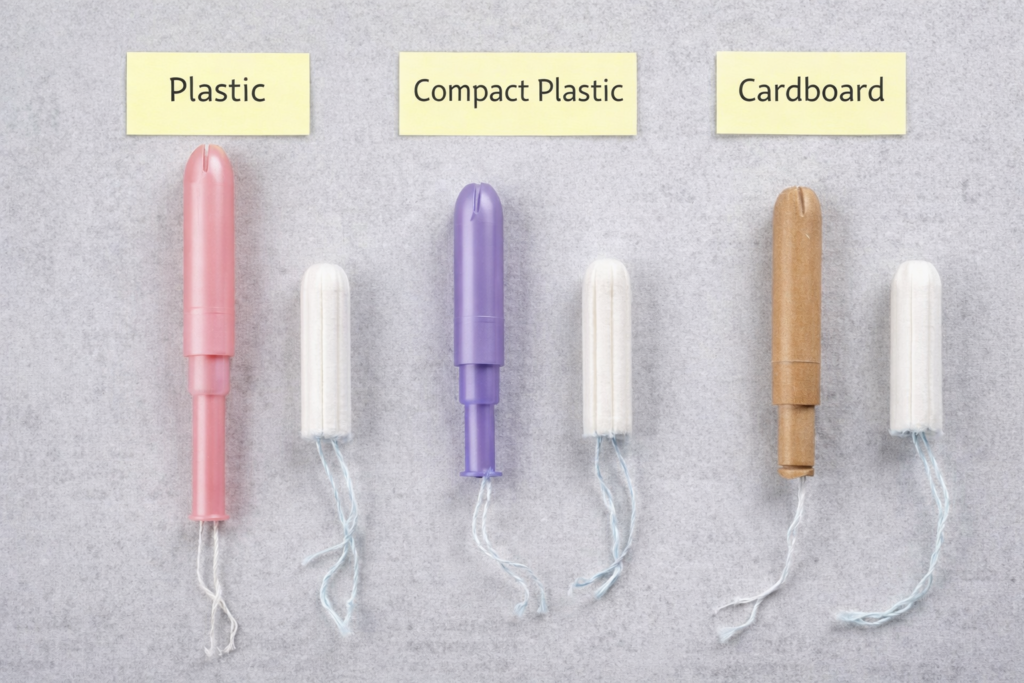
Different tampon designs require different production processes.
For example:
- Applicator tampons require additional assembly steps
- Organic cotton tampons may require specialized materials
These factors may increase the MOQ.
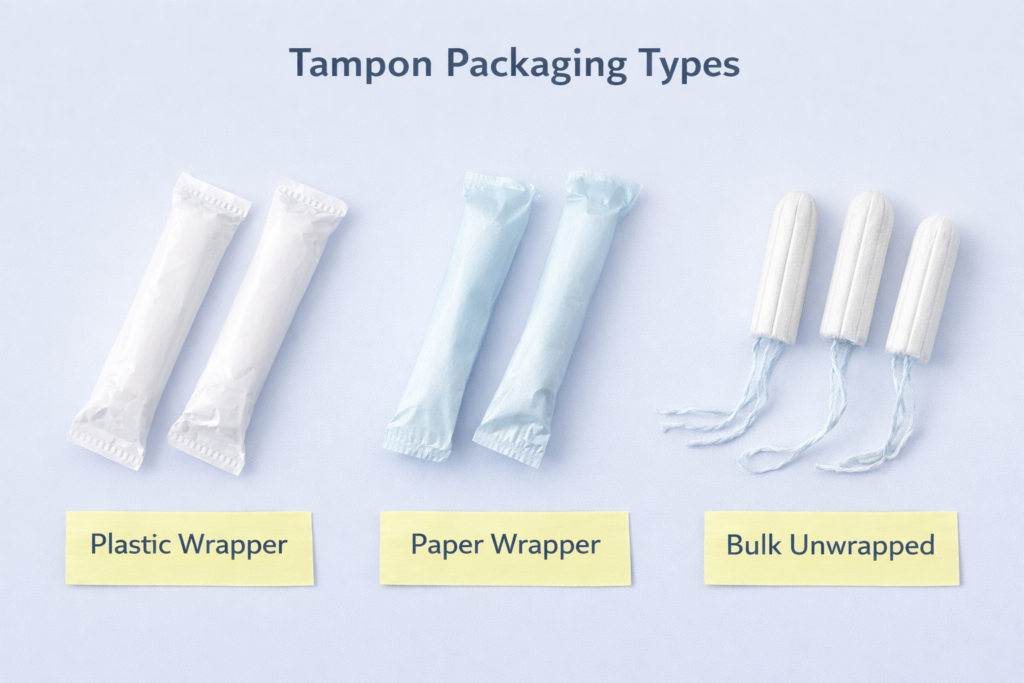
Packaging Customization
Custom packaging is one of the main reasons MOQ may increase.
Private label brands often request:
- custom printed wrappers
- branded retail boxes
- customized carton packaging
The more customized the packaging design, the higher the MOQ may be.
Production Line Efficiency
Tampon production lines are designed to run continuously for large production volumes.
Small orders may not be efficient because manufacturers must stop production lines to change materials or packaging settings.
Therefore, manufacturers typically set MOQ levels to maintain efficient production.
How Brands Can Reduce MOQ
For new brands entering the feminine hygiene market, large MOQ requirements can be challenging.
However, there are several strategies that may help reduce MOQ.
Standard Product Options
Choosing standard tampon designs and packaging can reduce manufacturing complexity and lower MOQ requirements.
Shared Production Runs
Some manufacturers allow smaller brands to join shared production runs for standard products.
This allows multiple clients to share production costs.
Gradual Order Growth
Many brands start with minimum quantities and gradually increase order sizes as sales grow.
This strategy helps reduce financial risk while building market presence.
MOQ and Private Label Tampon Production
Private label tampon manufacturing allows companies to launch their own branded products without building production facilities.
Professional manufacturers typically offer:
- customizable tampon absorbency levels
- organic cotton tampon options
- applicator choices
- private label packaging
MOQ requirements ensure that manufacturers can produce these customized products efficiently.
Conclusion
MOQ is an important factor when working with a tampon manufacturer. Understanding minimum order quantity requirements helps brands plan production, control costs, and manage inventory effectively.
By choosing the right manufacturer and selecting suitable product specifications, companies can develop private label tampon products that meet both market demand and production efficiency.