Introduction
The global demand for organic feminine hygiene products has grown rapidly in recent years. Among these products, organic cotton tampons have become increasingly popular as consumers look for more natural and environmentally friendly options.
The organic tampon market is expanding due to rising awareness of product ingredients, sustainability concerns, and growing interest in eco-friendly personal care products.
This article explores the growth of the organic tampon market, key consumer trends, and future opportunities in the feminine hygiene industry.
Growth of the Organic Tampon Market
The organic tampon segment has experienced strong growth within the broader feminine hygiene market.
Consumers are becoming more conscious about the materials used in personal care products. As a result, many are choosing tampons made from organic cotton fibers instead of conventional materials.
Several factors are driving the growth of the organic tampon market:
- Increased awareness of natural hygiene products
- Growing demand for chemical-free materials
- Expansion of eco-friendly product lines
- Rising popularity of sustainable consumer goods
Many major feminine hygiene brands have introduced organic product lines to meet this growing demand.
Why Consumers Prefer Organic Tampons
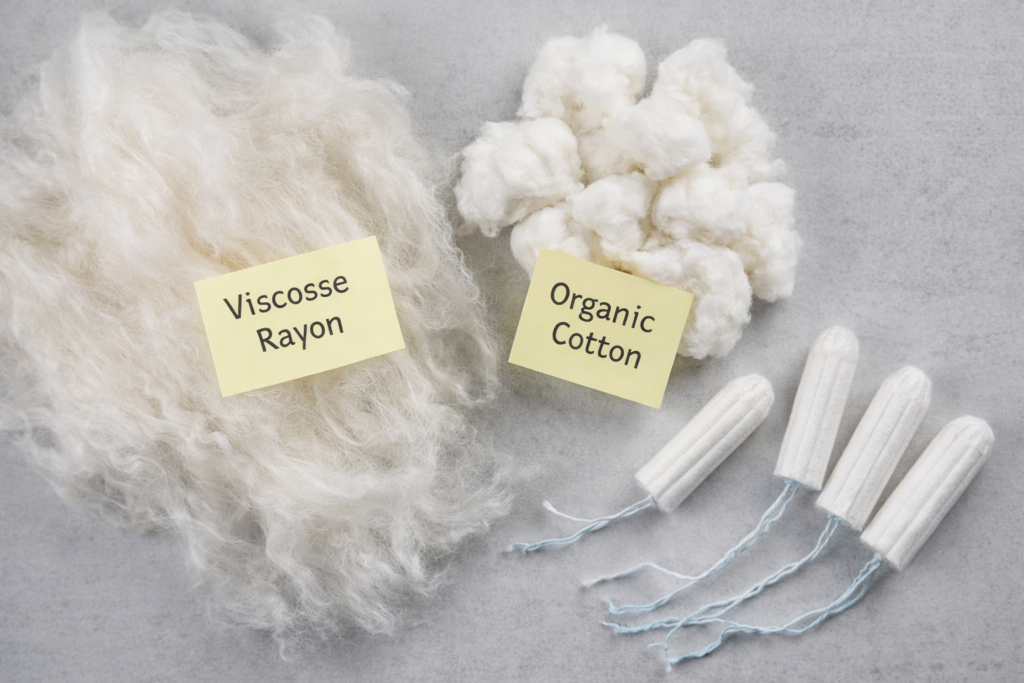
Organic cotton tampons appeal to many consumers because they are made from cotton grown without synthetic pesticides or chemical fertilizers.
Natural Materials
Organic tampons use cotton fibers that are processed with minimal chemical treatment. This makes them attractive to consumers seeking natural personal care products.
Environmental Sustainability
Organic farming methods are generally more environmentally friendly. Many consumers view organic tampons as a more sustainable option compared to conventional products.
Increased Transparency
Consumers today often want greater transparency about product ingredients and sourcing. Organic cotton products help meet this demand.
Sustainability Trends in Feminine Hygiene Products
Sustainability has become one of the most important trends in the feminine hygiene industry.
Manufacturers and brands are developing new products designed to reduce environmental impact.
Examples include:
- organic cotton tampons
- biodegradable applicators
- recyclable packaging materials
- reduced plastic packaging
These innovations help companies respond to growing consumer demand for eco-friendly products.
Product Innovation in the Tampon Industry
In addition to organic materials, the tampon industry continues to innovate in several areas.
Improved Fiber Technology
Manufacturers are developing new absorbent fiber structures to improve comfort and performance.
Compact and Portable Designs
Compact applicators and travel-friendly packaging have become popular among consumers who value convenience.
Sustainable Packaging
Many brands are introducing packaging made from recycled or biodegradable materials.
These innovations help brands remain competitive in an evolving feminine hygiene market.
Opportunities for Organic Private Label Tampon Brands
As the organic tampon market expands, many retailers and entrepreneurs are exploring opportunities to launch their own organic feminine hygiene products.
Working with professional tampon manufacturers allows companies to develop private label organic tampon products with customized specifications.

Private label services typically include:
- organic cotton tampon production
- customized absorbency levels
- applicator customization
- eco-friendly packaging options
- branded retail packaging
This approach allows brands to enter the growing organic feminine hygiene market without investing in their own manufacturing facilities.
Future Outlook for the Organic Tampon Market
The organic tampon market is expected to continue growing in the coming years as consumers become more aware of sustainability and product ingredients.
Future growth will likely be driven by:
- increasing demand for natural personal care products
- expansion of organic product lines
- product innovation in sustainable materials
- growing global awareness of menstrual health
As the feminine hygiene industry evolves, organic tampons will likely remain an important part of the market.
Conclusion
The organic tampon market has become one of the fastest-growing segments within the feminine hygiene industry. Rising consumer interest in natural materials, sustainability, and transparency is driving demand for organic cotton tampons worldwide.
For companies interested in launching feminine hygiene products, the growing popularity of organic tampons presents significant opportunities. Partnering with experienced tampon manufacturers can help brands develop high-quality private label products that meet the evolving needs of consumers.