Introduction: The Emerging Giant in Feminine Care
China represents one of the most dynamic and rapidly evolving markets for feminine hygiene products globally. While tampons have historically lagged behind sanitary pads in adoption, the segment—particularly the organic and natural category—is poised for explosive growth. For global tampon manufacturers and private label brands, understanding the nuances of the Chinese market is critical for successful entry and sustained profitability.
This expert analysis provides manufacturers with a 2025 roadmap, detailing key consumer shifts, supply chain considerations, and the regulatory landscape unique to the PRC.
1. Market Overview: From Niche to Necessity
The organic tampon market in China is transitioning from a high-end niche to a mainstream consumer preference, primarily driven by three factors:
- The Rise of Health-Conscious Consumers: Younger, affluent Chinese consumers (Generation Z and Millennials) are prioritizing health, sustainability, and transparency in product ingredients. Organic cotton and natural fibers are seen as superior, safer, and less irritating alternatives.
- Media and KOL Influence: Social media platforms like Xiaohongshu (Little Red Book) and Douyin are actively promoting menstrual health education, rapidly closing the knowledge gap regarding tampon usage. Key Opinion Leaders (KOLs) and influencers play a crucial role in product discovery and validation.
- Policy Support for Imports: E-commerce and cross-border platforms (CBEC) have made it easier for foreign organic brands to enter the market, offering consumers greater choice and raising the quality benchmark for domestic manufacturers.
Data Insight: Although current penetration is low (estimated at less than 5% of the total feminine hygiene market), the compound annual growth rate (CAGR) for the organic segment is projected to exceed 25% over the next five years.
2. Key Opportunities for Manufacturers
Opportunity A: High-Margin Private Label Products
The increasing demand for organic and natural products has created a golden window for private label manufacturing. Chinese e-commerce giants and retail chains are eager to launch their own premium organic tampon lines to capture higher margins and ensure supply chain control.
Actionable Insight for Manufacturers:
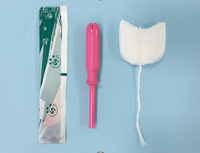
- Focus on Applicator Types: While the global market is split, Chinese consumers show a strong preference for applicator tampons (especially the compact plastic or eco-friendly cardboard variants) due to ease of use for first-time users. Non-applicator tampons remain a smaller, more niche market.
- Certifications are King: For an organic claim to be credible in China, manufacturers must secure GOTS (Global Organic Textile Standard) certification for their cotton sourcing and potentially China’s mandatory GB standards for finished products.
Opportunity B: Targeting Tier 1 and Tier 2 City Affluent Consumers
The initial market uptake is concentrated in Tier 1 (Beijing, Shanghai, Guangzhou, Shenzhen) and strong Tier 2 cities. These consumers are less price-sensitive and highly responsive to branding that emphasizes:
- Sustainability: Biodegradable applicators, plastic-free packaging, and carbon-neutral production claims.
- Design & Aesthetics: Visually appealing, discreet, and minimalist packaging that aligns with premium lifestyle branding.
3. Critical Challenges and Strategic Mitigation
Navigating the Chinese market requires awareness of specific regulatory and cultural hurdles.
Challenge A: The Regulatory Maze (GB Standards)
Unlike in Western markets, tampon manufacturing and import in China are subject to rigorous GB standards. These are not always perfectly aligned with international standards (like FDA or CE), potentially requiring modifications to product formulation or testing procedures.
Mitigation Strategy:
- Pre-Compliance Testing: Manufacturers must partner with accredited Chinese testing laboratories early in the R&D process to ensure compliance before mass production.
- Documentation: Robust, localized technical files and certificates are mandatory for product registration and cross-border trade.
Challenge B: Supply Chain Complexity and Cost
Sourcing certified organic cotton and other raw materials (like biodegradable PLA applicators) can be costly. Furthermore, China’s strict customs and logistics procedures can complicate the delivery timeline for imported materials.
Mitigation Strategy:
- Local Sourcing: Explore trusted domestic suppliers for packaging and non-core materials to reduce import duties and lead times.
- Vertically Integrated Partner: Work with a China-based manufacturer who possesses an established, certified organic cotton supply chain, minimizing the logistical and compliance burden on the brand.
4. The 2025 Tampon Manufacturing Plant Cost Factor
For manufacturers considering setting up or expanding operations within China, the cost structure is highly competitive yet demanding in terms of technology.
| Cost Component | High-speed European or Japanese automated lines are preferred for ensuring quality and reducing labor costs. | Implication for Brands |
| Machinery & Automation | Certified organic cotton is often imported, which incurs tariffs and logistics fees. | Initial CAPEX is high, but ensures precision and conformity to high standards. |
| Labor Costs | Rising, but still competitive compared to North America/Europe. Technical expertise for line maintenance is key. | Invest in highly automated processes to offset future wage inflation. |
| Raw Material | Certified organic cotton often needs to be imported, incurring tariffs and logistics fees. | Requires volume commitment and a strong supplier relationship to secure stable pricing. |
| Testing & Certification | Mandatory GB testing adds a fixed cost per SKU. | Budget for annual compliance audits and re-testing. |
Conclusion: Winning the Chinese Market
The Chinese organic tampon market offers unparalleled growth for manufacturers willing to invest in quality, compliance, and localized marketing. Success hinges on a B2B strategy that prioritizes:
- Compliance: Achieving and maintaining China GB standards and GOTS certification.
- Product Localisation: Offering preferred applicator types and aesthetically appealing, eco-friendly packaging.
- Strategic Partnership: Collaborating with an experienced, compliant OEM/ODM manufacturer who understands the domestic supply chain and regulatory landscape.
Ready to launch or expand your organic tampon brand in the world’s fastest-growing market? Contact us for a detailed consultation on manufacturing, cost analysis, and regulatory guidance.