
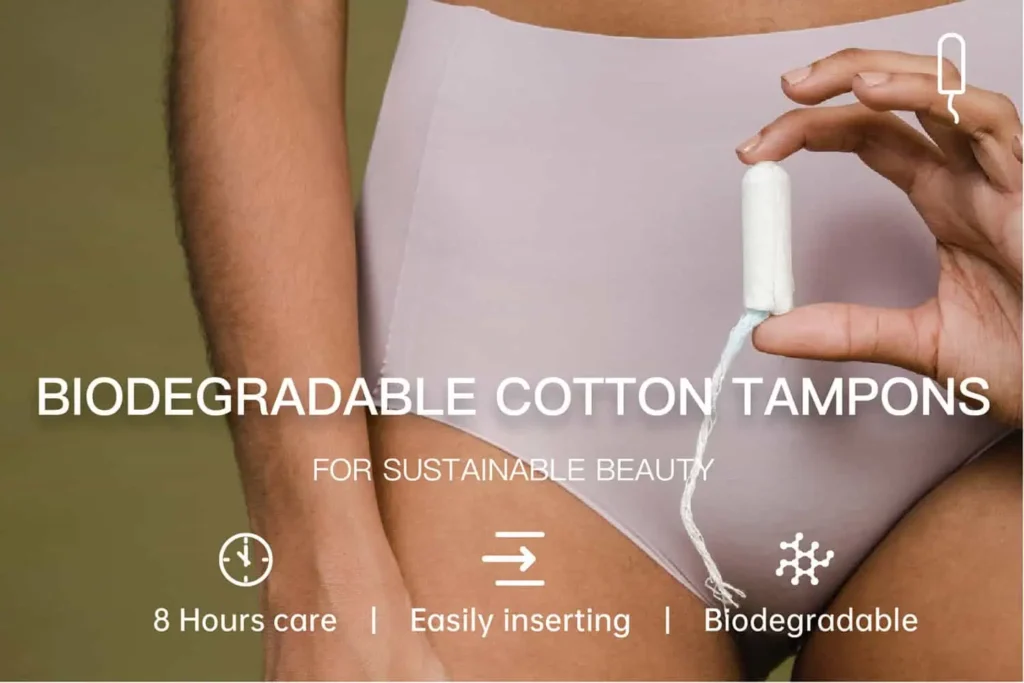
Introduction: Starting with Confidence and Comfort
The transition to using tampons is a significant milestone for many teenagers and first-time users. The experience should be one of comfort, security, and confidence, not confusion or anxiety. Choosing the right product—one specifically designed for ease of use—is the most crucial step.
Quick answer: The best tampons for teens and first-time users are light or slim (junior) absorbency tampons with a smooth plastic applicator. Start with the lowest absorbency that handles your flow, change every 4 to 8 hours, and move up to regular only on heavier days. Tampon “size” means absorbency, not body size.
This guide, written for both parents and beginners, cuts through the complexity, focusing on product selection, essential safety tips, and expert recommendations to ensure a smooth and positive first experience.
Buying tampons for your store or brand?
Green Gardener supplies standard unbranded tampons from stock with no MOQ: 70% cotton and 30% viscose, long PE applicator, individually wrapped. Private label and OEM production are also available.
Stock TamponsPrivate Label TamponsRequest a Quote1. Why Size and Absorbency Matter Most for Teens
The biggest misconception is that tampon size is correlated with the user’s body size. In reality, tampon size refers to absorbency, which is defined by FDA standards.
| Absorbency Level | FDA Standard (Grams) | Recommended Use for Beginners |
| Lites/Junior | Up to 6g | Highest Recommendation. Smaller diameter, easier insertion. Ideal for light flow days or the first few cycles. |
| Regular | 6g – 9g | Suitable after gaining insertion confidence and for medium flow days. |
| Super & Higher | 9g and above | Avoid for Beginners. These are larger and only necessary for very heavy flow, increasing the risk of discomfort and improper use for new users. |
The Golden Rule for Beginners: Always start with the Lites/Junior absorbency level, regardless of perceived flow. Their smaller physical size minimizes anxiety and ensures comfort during insertion.
2. The Critical Role of the Applicator
For first-time users, the applicator is the key tool for successful, hygienic, and comfortable insertion.
A. Preferred Applicator Type: Plastic and Compact
- Compact Plastic Applicators: Highly recommended for teens. They are generally smoother than cardboard, making insertion easier and reducing friction. The compact design is discreet and user-friendly.
- Cardboard Applicators: While eco-friendly, they may cause slight discomfort for beginners due to the material’s texture. They require more careful handling to ensure the plunger operates smoothly.
- Non-Applicator (Digital) Tampons: Not Recommended for Beginners. These require manual insertion depth and precision, which can be challenging for new users.
B. The Comfort Tip
Manufacturers often add a rounded, polished tip to the end of the applicator. When choosing a product for beginners, look for this feature, as it significantly aids in the initial insertion process.
3. Safety First: Toxic Shock Syndrome (TSS) and Hygiene
Parents and teens must understand the simple steps to minimize the risk of Toxic Shock Syndrome (TSS), a rare but serious illness associated with tampon use.
Essential Safety Checklist:
- Change Frequently: Tampons must be changed every 4 to 8 hours. Never wear a tampon for longer than 8 hours.
- Use Lowest Absorbency: Use the lowest absorbency necessary for your flow. Using a Super Plus for a light flow increases the risk of TSS.
- Alternate with Pads: It is highly recommended that teens alternate between tampons and sanitary pads, especially overnight. Never sleep in a tampon for more than 8 hours.
- Hand Hygiene: Always wash hands thoroughly with soap and water before and after insertion or removal.
4. Insertion and Removal Tips for Confidence
The main hurdle for beginners is anxiety about insertion. Reassurance and a simple technique are key.
- Relaxation is Key: Muscle tension makes insertion difficult. Finding a comfortable position (squatting, sitting on the toilet with knees apart, or one foot propped up) and taking a deep breath helps.
- Angle of Insertion: The applicator should be directed upward and toward the small of the back, not straight up. This follows the natural curve of the vaginal canal.
- Proper Placement: When correctly inserted, the user should not feel the tampon at all. If discomfort is felt, it means it is not far enough in. Remove it and try again with a fresh tampon.
- Removal: Pulling the string gently at the same angle as insertion should allow for easy removal. If the tampon is dry, it may be uncomfortable—this is a sign to switch to a lower absorbency product.
Best Tampons for Teens and Beginners at a Glance
Most beginners find it easiest to start with a small, smooth tampon and switch formats once they feel confident. Here is how the common options compare:
| Tampon type | Why it suits beginners | Things to know |
|---|---|---|
| Light or slim (junior) with plastic applicator | Smallest size and smooth, rounded tip make first insertion easier | Best for light days or the start and end of a period |
| Compact plastic applicator | Short and discreet to carry in a school bag; extends before use | Slightly more steps to extend the applicator |
| Regular with plastic applicator | Good next step for moderate or heavier days | Use only when light tampons fill within a few hours |
| Cardboard applicator | Low-cost and more eco-friendly | Firmer edges; many beginners find it less smooth |
| Non-applicator (digital) | Least packaging, very small to carry | Inserted with a finger, which some first-time users find harder |
| Organic cotton | Popular with users who prefer 100% cotton | Same absorbency rules and TSS precautions apply |
Tampon Sizes for Teens: Which Absorbency to Start With
Tampon sizes are standardized absorbency ranges set by the FDA (21 CFR 801.430). A beginner rarely needs more than regular absorbency.
| Absorbency (label) | Grams of fluid | When beginners use it |
|---|---|---|
| Light / Junior | Under 6 g | First try, light days, first-time users |
| Regular | 6 – 9 g | Moderate flow days |
| Super | 9 – 12 g | Only if regular tampons fill in under 4 hours |
| Super Plus (S+) | 12 – 15 g | Usually not needed when starting out |
| Ultra | 15 – 18 g | Very heavy flow only; not a beginner size |
Tip: If a tampon is still mostly white and hard to remove after 4 to 8 hours, switch to a lower absorbency. If it is fully soaked in less than 4 hours, try the next size up.
How to Use a Tampon for the First Time: Step by Step
- Wash your hands and read the leaflet inside the box.
- Choose a light or slim tampon for your first try.
- Get comfortable: sit on the toilet with knees apart, squat slightly, or stand with one foot on the toilet seat.
- Hold the applicator at the grip, with the string pointing down.
- Gently insert the tip, aiming toward your lower back rather than straight up.
- When your fingers touch your body, push the inner tube fully in with your index finger.
- Remove the applicator and leave the string outside your body.
- If you can feel the tampon, it is probably not in far enough—remove it and try again with a new one.
- Change your tampon every 4 to 8 hours and never wear one for more than 8 hours.
Signs You Need a Different Tampon Size
- Leaking before 4 hours: move up one absorbency level on heavy days.
- Dry or uncomfortable removal: the absorbency is too high—go down a size.
- Discomfort while wearing: the tampon may not be inserted far enough, or a slimmer size may suit you better.
- End of your period: switch back to light, or use a pad or panty liner.
Toxic Shock Syndrome (TSS) Warning Signs
TSS is rare but serious. Remove the tampon and seek medical help right away if you have a sudden high fever, vomiting, diarrhea, a sunburn-like rash, dizziness or fainting while using tampons. Using the lowest absorbency you need and changing tampons regularly lowers the risk.
Can Teens Use Tampons for Swimming and Sports?
Yes. Once inserted correctly, a tampon absorbs inside the body, so it works for swimming, sports and PE classes. Change to a fresh tampon after swimming. See our guide to the best tampons for swimming and sports.
For Brands: Building a Beginner-Friendly Tampon Line
Teen and first-time users are a loyal starting segment for period-care brands. Beginner lines usually combine light or slim absorbency, smooth plastic or compact applicators, clear step-by-step leaflets and discreet packaging. Green Gardener manufactures private label tampons in light to ultra absorbencies and all common applicator types. Request a quote for your beginner or teen range.
Conclusion: Partnering for Health and Education
For manufacturers, prioritizing beginner-friendly product design—specifically Lites/Junior absorbency with smooth, compact plastic applicators—is crucial to capturing this loyal, emerging market segment.
Providing clear, accessible educational content like this guide builds trust and establishes your brand as an authority in menstrual health.
Are you developing a new feminine care line for the next generation of users? Our manufacturing expertise focuses on safety, comfort, and compliance for beginner-friendly products. Contact us for private label solutions that put the user first.
More Questions Answered
What size tampon should a 13-year-old use?
Most teens starting out do best with the lowest absorbency that handles their flow—usually a light or slim/junior tampon, and regular on heavier days. Tampon “size” refers to absorbency, not body size. The FDA recommends using the lowest absorbency you need and changing tampons every 4 to 8 hours.
What are junior or slim tampons?
Junior and slim tampons are smaller, lower-absorbency tampons (typically in the Light range, under 6 grams) with a narrower applicator, which many first-time users find easier and more comfortable to insert.
Which applicator is easiest for beginners?
A smooth plastic applicator with a rounded tip is usually the easiest to insert for beginners. Compact plastic applicators are also popular with teens because they are discreet to carry.